

In short: skipping breakfast does not make you gain weight, and the best trial evidence finds no proof that eating breakfast helps you lose it either. What skipping breakfast genuinely does is make your next meal land harder on your blood sugar, so the fix is not to force down cereal at dawn but to make your first meal of the day protein-forward, whenever you eat it.
The advice arrives with the certainty of a proverb: breakfast is the most important meal of the day, and skipping it will catch up with you by lunchtime. Like most proverbs about food, it is older than the evidence behind it. The phrase was popularised by advertisers in the early twentieth century, long before anyone had run a controlled trial on the question, and the research done since tells a more interesting story than the slogan does.
That story is not “skipping breakfast is fine, do as you like”. It is that the popular version is wrong about the mechanism. Skipping breakfast does backfire for a lot of people, but not because breakfast is sacred and not because you need cereal to start your metabolism. It backfires at the next meal, in your blood sugar, and in what you eventually reach for when hunger does arrive. The fix is not to eat breakfast so much as to change what your first meal of the day is made of.
What the trials actually found
The strongest evidence we have comes from randomised controlled trials, where people are assigned to eat or to skip breakfast rather than choosing for themselves. A systematic review and meta-analysis of thirteen such trials, published in the BMJ, found no evidence that eating breakfast helps adults lose weight and no evidence that skipping it causes weight gain. If anything the direction ran the other way: participants assigned to eat breakfast consumed more energy across the day, roughly 260 calories more, and those assigned to skip did not make up the missing calories later. The authors concluded that the addition of breakfast “might not be a good strategy for weight loss”, and warned that recommending it could have the opposite effect.
That result surprises people, because it contradicts the intuition that skipping a meal leaves you ravenous and you pay it back with interest. In the short term, the evidence says the repayment is partial at best. Which is where the more useful question begins.
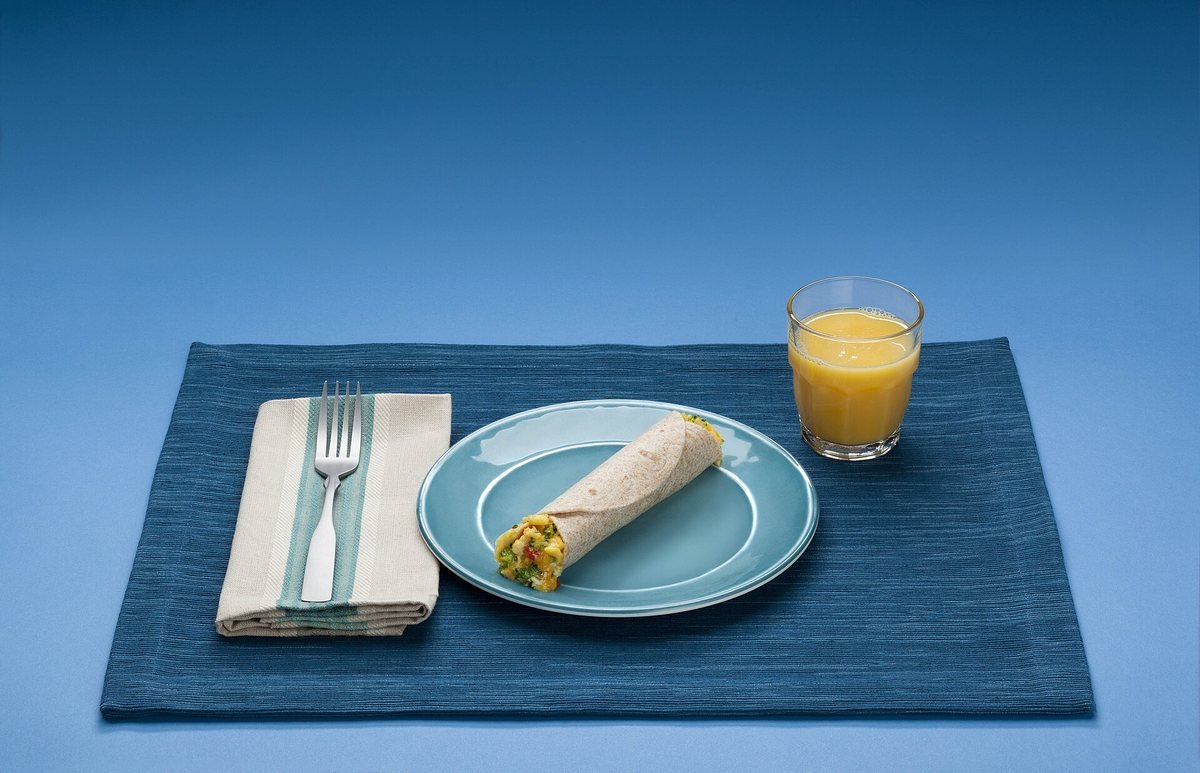
Where the backfire is real: your second meal
Skipping breakfast does change how your body handles the next thing you eat. This is called the second-meal effect, and it is one of the more reproducible findings in this area. When healthy young adults skip breakfast, their blood glucose and insulin response to lunch is higher, and a study in the British Journal of Nutrition traced that to a degree of insulin resistance at that meal rather than to the extra calories. Another trial found that men who omitted breakfast had a roughly 17 per cent higher energy intake at the lunchtime test meal, along with higher free fatty acids and a larger glucose and insulin response to the food they did eat.
Read that alongside the weight-loss trials and the picture sharpens. Skipping breakfast does not automatically make you eat more over a whole day, but it does make the meal that follows land harder. If your first food of the day is a plate of white rice and sweet tea, you have arranged to deliver a concentrated glucose load to a system that is temporarily less efficient at clearing it. That is the backfire, and it has very little to do with whether you called the meal breakfast. It is also why the craving for something sweet later in the day is so common in people who eat this way, a pattern I have written about separately.
And it adapts over weeks
There is a second, slower effect that the short trials miss. Acute studies of a single skipped breakfast tend to show a reduced daily calorie intake. Longer ones show the body adjusting to the habit. Two weeks of daily breakfast omission produced higher self-reported daily intake in lean women, and when people with obesity either ate a large breakfast or skipped it for six weeks, the skipping group increased their intake after eleven in the morning by enough to cancel out the difference entirely. Appetite is not static, and a habit that reduces intake on Monday can be fully compensated by the following month.
This is the honest version of the case against skipping: it is not that you will definitely overeat, it is that you cannot assume you will not, and the compensation arrives late enough that most people never connect it to the decision they made at seven in the morning.
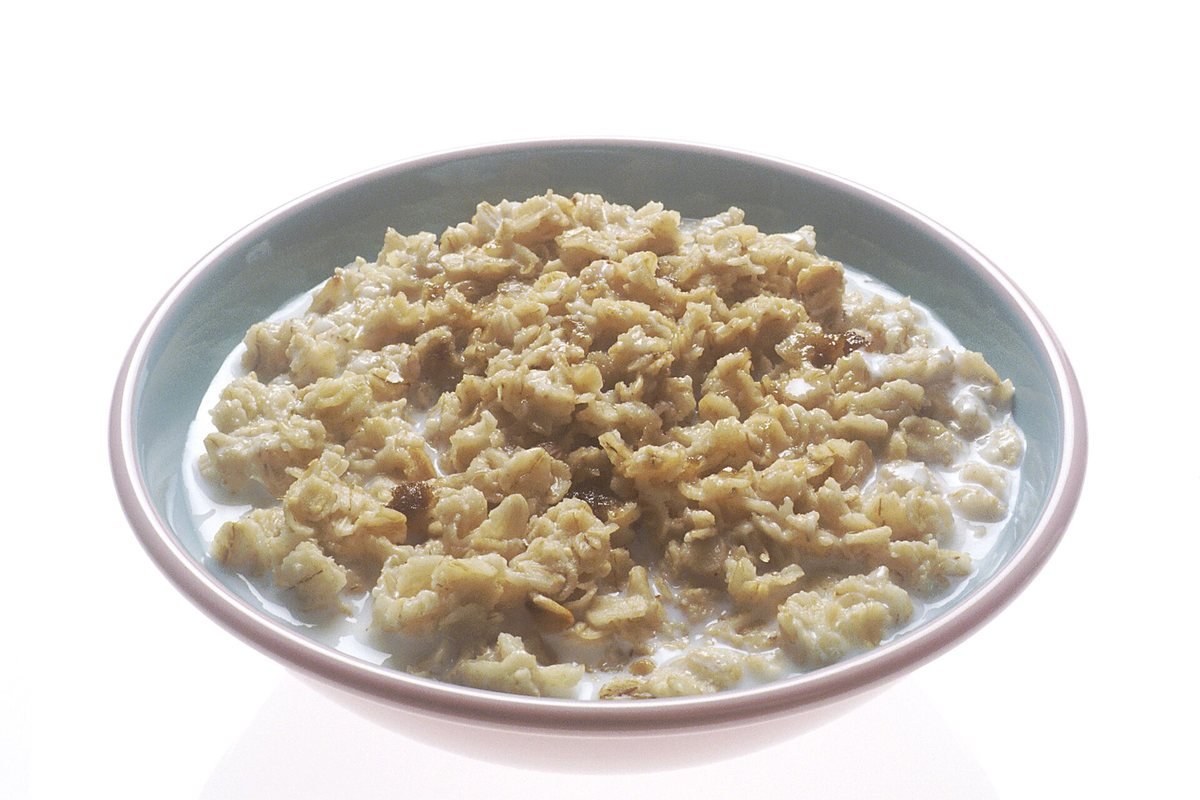
Why the observational studies mislead
You have probably seen headlines claiming that breakfast skippers are more likely to be overweight. Those come from observational studies, which follow people rather than assign them. A meta-analysis of such studies did find about an 11 per cent higher relative risk of overweight among people who skipped breakfast on three or more days a week. But the same research documents what tends to travel with breakfast skipping: more smoking, more alcohol, less physical activity, worse sleep and lower overall nutrient intake. Those are not small confounders, and the review itself rates its own evidence as very low quality. “Skippers weigh more” describes an association between a habit and a whole pattern of living, not proof that the skipped meal caused the weight.
What actually matters: the first meal, not its name
Everything above points at the same practical conclusion. The variable worth managing is not whether you eat in the morning, it is the composition of the first meal after your longest fast of the day, whenever that arrives.
Protein is the most satiating of the three macronutrients, and the evidence is strongest for it at exactly this meal. A high-protein first meal raises the gut hormones GLP-1 and PYY, which suppress appetite, more than a high-carbohydrate meal of the same calories does. In a recent crossover trial, 30 grams of protein at breakfast suppressed subjective appetite more than a low-protein, high-carbohydrate alternative. A separate line of work found that extra protein eaten at breakfast produced a longer and more sustained feeling of fullness than the same extra protein eaten at lunch or dinner. Even a 20-gram protein preload has been shown to reduce how much people eat at the next meal, and whey in particular blunted the blood glucose response to the meal that followed it.
That is the lever. Not a bigger breakfast, and certainly not a sweeter one. If the hunger that follows a skipped morning is what undoes your day, the answer is closer to how to handle snacking between meals than to forcing down food you do not want at dawn.

How I think about it
I do not eat when I wake up, and I have not for a couple of years. My first food comes around three in the afternoon, after sixteen hours of fasting, and I do not call it breakfast, because the clock is wrong for that word. I call it my first meal, and the only rule that has mattered is that it is protein and fat rather than carbohydrate. That single change did more for my mid-afternoon energy than anything I tried in the decade before it, back when feeling finished after a meal was normal.
The practical version is simple. If you eat soon after waking because you are genuinely hungry, make the plate eggs, meat, fish, full-fat dairy, nuts, or vegetables with fat, and keep the cereal, juice, pastries and sweetened coffee away from it. If you do not want food in the morning, eat fat or vegetables before the carbohydrate at your first real meal, so that the carbohydrate arrives at the table slower. And if you have spent the morning not eating, treat that lunch as a decision rather than a habit, because it is the meal where the skipped one actually shows up.
When you should not skip breakfast
None of this is medical advice for everyone. If you take insulin or a sulfonylurea, if you are pregnant or breastfeeding, if you have a history of an eating disorder, if you are underweight, or if you manage a long-term condition that depends on regular meals, changing your eating pattern without clinical supervision is a bad idea, and skipping a meal can be genuinely unsafe. Children and adolescents have different needs again. If in doubt, speak to your doctor before changing anything, because this is an area where a general finding does not automatically apply to your particular body.
Be disciplined, strong, motivated, relentless – do not let what goes into your mouth control who you are or how long you would live!
Chimaobi Kanu
The slogan says that breakfast is the most important meal of the day. I would put it differently: the first meal after the longest fast is the one that matters, and the people who get it wrong are usually not the ones eating too late. They are the ones eating sugar and calling it breakfast.

