

Why You Crave Sugar at Night (and How to Actually Stop It)
It is 9 p.m. Dinner was hours ago and you are not hungry. And yet you are standing in the kitchen, staring at the cupboard, thinking about chocolate. If this happens most nights, you are in very large company – and it is not a willpower problem. Nighttime sugar cravings are the product of biology, habit, and a body clock that genuinely makes evenings the hardest time of day to say no. Here is what is actually driving the urge, and the changes that work.

Your body clock peaks in appetite exactly when your defenses are lowest
Here is the uncomfortable science: your internal circadian system has its own appetite schedule, and it peaks in the evening. In a well-known laboratory study, researchers kept volunteers on a tightly controlled schedule for 13 days so they could measure hunger independent of routine, meals, and sleep debt. The result: people were least hungry at 8 a.m. and most hungry at 8 p.m., with the strongest cravings for sweet, starchy, and salty foods arriving right before the hours when the body expects to fast and sleep.
Researchers believe this evening hunger spike made evolutionary sense – stocking up on energy before the overnight fast helped our ancestors survive scarcity. In a world where the most convenient foods are hyper-palatable and calorie-dense, that same wiring just points us at the biscuit tin. You are not fighting your character in the evening; you are fighting a circadian tide.
Dinner built the craving hours earlier
The second driver is the blood sugar trajectory set at dinner. A meal heavy on refined carbohydrates – white rice, pasta, bread, and dessert itself – sends glucose up quickly. Insulin clears it, and a few hours later glucose can dip below where it started. That dip reads as a craving, and it lands squarely in your evening – we explained the full mechanism in our article on why you feel tired after eating a large meal if dinner was your most carb-heavy, lowest-protein meal of the day.
The daytime matters too. If breakfast was skipped, lunch was light on protein, or you spent the afternoon grazing on snacks, the body arrives at evening under-satiated and tries to close the gap after dark, when motivation is at its lowest. Research on high-protein breakfasts has found that front-loading protein in the morning reduces evening snacking on high-fat and sugary foods. The craving you feel at night is often just the receipt for how the day went.
The “dessert stomach” is real – it lives in the brain
Ever finished a big meal, felt completely full, and still wanted dessert? Researchers have found a mechanism behind it. The same hypothalamic neurons (POMC cells) that signal fullness also trigger sugar-seeking behavior when they release beta-endorphin, the body’s natural opioid, in response to sugar – or even just the sight or smell of it. Animal studies show this “dessert stomach” pathway fires even in fully fed animals, and human brain imaging shows a similar response. In other words, wanting dessert after a filling dinner is a built-in reward circuit, not a character flaw. Knowing this helps: the urge after dinner is expected, and it passes.
Stress and tiredness stack the deck
Cortisol – the body’s main stress hormone – amplifies the reward value of sugary food, and stress-eating research consistently shows that people under chronic pressure reach for energy-dense comfort foods rather than salad. Short sleep makes it worse: sleep restriction raises ghrelin (the hunger hormone), lowers leptin (the fullness hormone), and specifically increases cravings for calorie-dense, sweet foods in controlled studies. A tired brain also makes worse food decisions, because the prefrontal regions that weigh long-term consequences are the ones running low on fuel. Poor sleep and sugar intake feed each other in a loop – which is why protecting your sleep is a cravings strategy, not just a bedtime preference.
Dehydration and habit close the trap
Two smaller factors do more damage than they get credit for. First, mild dehydration is routinely misread by the brain as hunger, and by evening many people have gone hours without drinking water. Second, the habit loop: dinner, couch, show, something sweet. After enough repetitions the cue alone – sitting down and switching on the television – triggers the wanting, whether or not you are hungry. Breaking a cue-driven craving works better by changing the cue than by fighting the urge head-on.
What to do about it
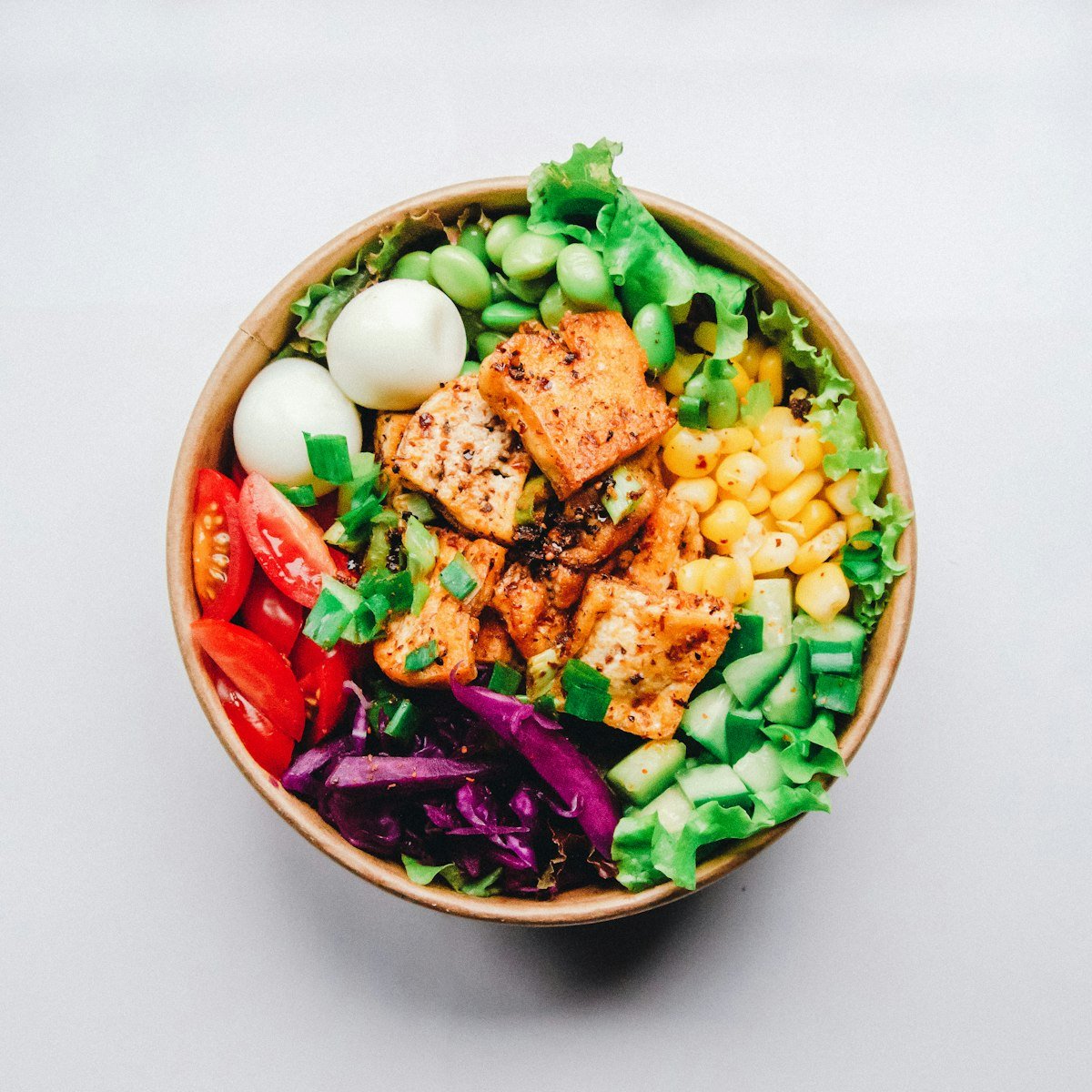
Three changes do most of the work. Move protein earlier in the day: aim for 25 to 35 grams at breakfast and lunch instead of loading it all into dinner, so you are not under-satiated by evening. Reshape dinner so carbohydrates arrive alongside protein, fat, and fiber, which slows digestion and flattens the after-dinner glucose dip – a large salad and grilled chicken with a modest scoop of rice behaves very differently from a bowl of plain pasta. And protect your sleep, since seven-plus hours keeps the hunger hormones honest (our 5 tips for better energy levels cover the daytime side) no matter how well you eat the rest of the day.
For the habit loop itself, make the cue change: brush your teeth right after dinner (mint and chocolate do not mix), move your evening wind-down off the couch, or pre-decide an evening snack with staying power – Greek yogurt, a handful of nuts, or fruit with nut butter – instead of leaving the 9 p.m. decision to your lowest-resistance self. A short walk after dinner helps twice, blunting the blood sugar dip and breaking the couch-dessert association in one move.
If you do want something sweet, have it – earlier in the evening, paired with protein or fat, and enjoyed without the guilt spiral. A square of dark chocolate after dinner eaten calmly beats a whole bar eaten frantically at midnight. The goal is a steady pattern, not a sweet-free life.
When cravings deserve a closer look
Nighttime sugar cravings are usually a pattern, not a disease. But some pairings are worth raising with a doctor: cravings alongside frequent thirst, waking to urinate, unexplained weight loss, or blurred vision can point to a blood-sugar disorder that deserves a proper check. Intense shakiness, sweating, or dizziness that only eases after eating something sweet may suggest reactive hypoglycemia. And if night eating feels compulsive or out of control, a doctor or registered dietitian can help with approaches that go beyond nutrition. This article is general information and is not a substitute for personal medical advice.
Start with one change this week – protein at breakfast is the highest-leverage single move – and build from there. The evening sweet tooth is loud, but it is not permanent.

