

In short: to break a fast, start with water or a light broth, then eat protein and fat first – eggs, fish, chicken, yogurt, tofu, nuts or avocado – followed by non-starchy vegetables. Keep sugar and refined starch small, because the first food after a long fast produces the sharpest blood sugar swing of your day.
What Happens When You Break a Fast
Breaking a fast is not only about the first bite; it is about the state your body is in when that bite arrives. After 12 to 16 hours without food, much of your stored glycogen has been used, insulin is low, and your digestive system has been resting. Food meets a body that is ready to absorb it quickly, which is why the same meal can land very differently at the end of a fasting window than it would in the middle of a normal afternoon.
A first meal built on sugar and refined starch tends to produce a faster and steeper rise in blood glucose than it would on a full stomach, and that rise is often followed by a dip that leaves you shaky, irritable or hungry again within an hour. A first meal built on protein, fat and fibre flattens that curve and keeps you steady into the next meal. The choice is not about restriction; it is about sequence and proportion.
The Best Foods to Eat to Break a Fast
The rule of thumb is to lead with protein and fat, add fibre, and keep fast-digesting carbohydrate small. These are the foods that do that best.
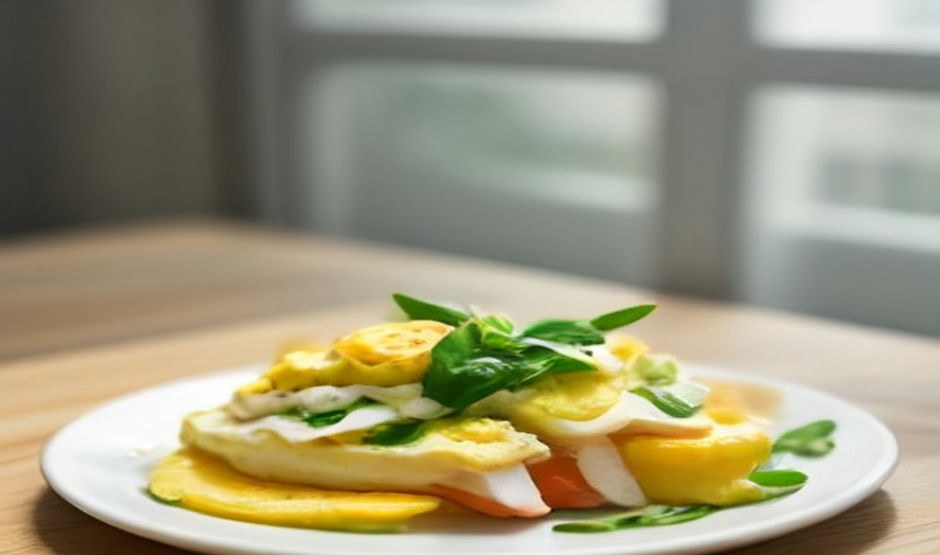
Protein first
Protein is the most useful thing to place on the plate first. It digests slowly, it blunts the blood sugar response of the rest of the meal, and it is the nutrient that does most to switch appetite off after a fast. Eggs, fish, chicken, turkey, beef, tofu, tempeh, cottage cheese and plain Greek yogurt all qualify. A serving in the region of 25 to 40 grams of protein – about a palm-sized piece of meat or fish, or three eggs with a spoonful of yogurt – is a sensible anchor. If you are unsure how much that is, our guide to how much protein you actually need breaks it down in plain numbers.
Fat from whole foods
Fat slows the stomach’s emptying and helps the meal register as satisfying rather than as a snack that leaves you looking for more. Cook with butter or olive oil, add avocado, or include a small handful of nuts or seeds. The objective is not a heavy, greasy meal, which can sit uncomfortably on an empty stomach, but a moderate amount of fat that makes the plate feel complete.
Vegetables and a little fibre
Non-starchy vegetables – leafy greens, peppers, tomatoes, zucchini, broccoli, green beans – add volume, water and fibre without much carbohydrate. Fibre slows digestion and feeds the gut, and it softens the glucose curve of the whole meal. If you do want a starch such as potatoes, rice or bread, put it last, after the protein and vegetables. Eating carbohydrates at the end of a meal rather than the start lowers the post-meal blood sugar rise, a small ordering change that costs nothing.
The Worst Foods to Break a Fast
Some foods are a poor fit for the first meal after a fast, not because they are forbidden but because of how quickly they arrive in the bloodstream when you are running on empty.
- Sugary drinks and fruit juice. Liquid sugar reaches the blood with almost no digestion, producing the fastest spike of any option.
- Refined starches. White bread, pastries, sweetened cereal and white rice behave much like sugar once digested.
- Sweets and dessert. A fast is not undone by one biscuit, but opening the eating window with confectionery sets up the crash-and-crave loop.
- Alcohol on an empty stomach. It is absorbed faster after fasting and can leave you lightheaded.
- Very heavy, fried or greasy food. It can cause nausea or reflux when your digestion has been idle.
A Simple First-Meal Plan
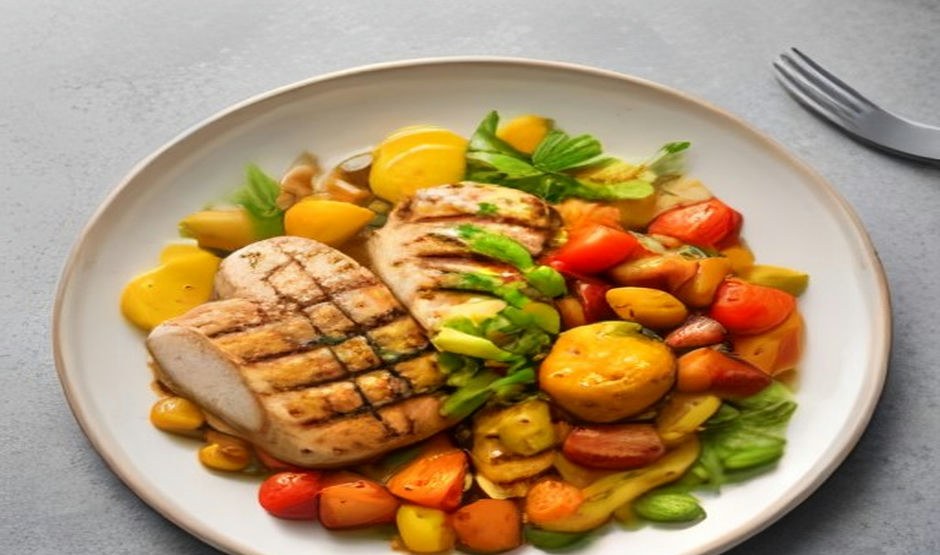
If you would rather not think in nutrients, think in shapes on the plate. Fill roughly half with non-starchy vegetables, a quarter with a protein you actually enjoy, and the remaining quarter with fat or a small starch, eaten in that order. A plate of eggs with spinach and a slice of avocado, or grilled fish with roasted vegetables and olive oil, fits the pattern and takes minutes to make.
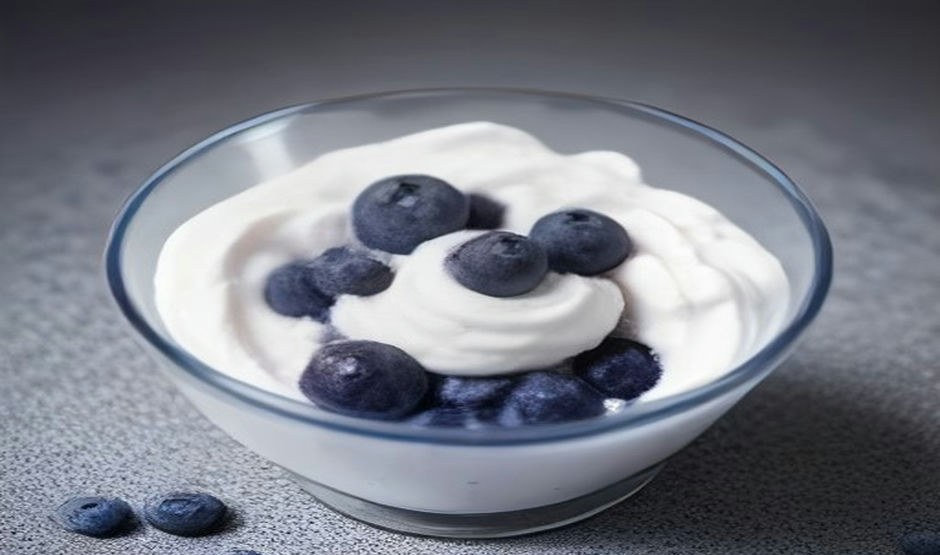
If a full plate feels like too much after a long fast, begin with the protein and a few vegetables and add the rest once your appetite has settled. Easing into the fast-ending meal gently is better than ending it with a large, rushed plate you later regret.
How Much to Eat in Your First Meal
For a 16-hour fast, a normal-sized meal is usually fine. For a fast of 20 hours or more, appetite often returns in a rush and can drive you to eat past fullness, so a slightly smaller first portion and a short pause before deciding on seconds is wise. Fullness signals take about 20 minutes to register; giving the meal that time prevents the overfull, uncomfortable feeling that puts people off fasting altogether. If your goal is weight loss, remember that fasting changes when you eat, not the total energy you take in – the eating window still matters.
What About Drinks?
Water, sparkling water, plain tea and black coffee carry no calories and are the standard way to stay comfortable during a fast. To break the fast itself, start with a glass of water or a light broth, which replaces some of the sodium and fluid lost overnight, and then eat. A drink that carries protein, such as milk or a plain yogurt drink, also counts as breaking the fast because it brings calories in. For a closer look at which drinks restart the clock, see our explainer on what breaks a fast.
When to Be Careful
Intermittent fasting is not suitable for everyone, and the first meal is where problems tend to show up. Speak to a doctor before fasting if you have diabetes or take medication for blood sugar, if you are pregnant or breastfeeding, if you have a history of an eating disorder, or if you are underweight. Stop and seek medical advice if you feel faint, confused, unusually shaky, or if a first meal after fasting regularly triggers nausea or a racing heart. None of this is a reason to fear fasting; it is a reason to break the fast sensibly and to check with a professional when your circumstances are not straightforward.
It also helps to build the eating window around steady, protein-led meals rather than treating the fast as permission to eat freely once it ends. If the end of your fasting window tends to become a run of sweet snacks, our guide to stopping sweets at night covers the habit side of that, and if you are weighing up whether to eat early at all, our piece on why skipping breakfast backfires looks at how a protein-forward first meal changes the rest of the day.
The Takeaway
Break a fast with protein and fat first, add vegetables and fibre, and keep sugar and refined starch small. Start with water or broth, eat a moderate portion rather than a large rushed one, and give yourself 20 minutes before deciding whether you need more. Do that and the first meal of your eating window becomes the steady base for the rest of the day rather than a spike you spend the afternoon recovering from.
Sources
- de Cabo R, Mattson MP. Effects of Intermittent Fasting on Health, Aging, and Disease. New England Journal of Medicine, 2019.
- Moro T, et al. Effects of eight weeks of time-restricted feeding (16/8) on basal metabolism, maximal strength, body composition, inflammation and cardiovascular risk factors in resistance-trained males. Journal of Translational Medicine, 2016.
- Johns Hopkins Medicine. Intermittent Fasting: What is it, and how does it work?
- Harvard T.H. Chan School of Public Health. Protein.
- NHS. The Eatwell Guide.

