

In short: the sugar-free desserts that keep blood sugar steady are built on fat, protein and fiber – think dark chocolate mousse, Greek yogurt with berries, or almond-flour brownies – not on sugar alcohols alone. A dessert can carry a “sugar-free” label and still spike your glucose if it is mostly starch, and a dessert with no sweetener can leave you hungry if it has no protein or fat to slow it down. The twelve recipes below were chosen for how they behave in your body, not just for what is missing from the label. If you are cutting sugar because you are managing your blood sugar, it also helps to know why sugar cravings hit hardest at night.
Why “sugar-free” and “blood-sugar-friendly” are not the same thing
The word sugar-free is regulated, but loosely understood. In the United States, a food can be labeled sugar-free if it contains less than 0.5 grams of sugar per serving. That says nothing about total carbohydrate, and nothing about whether the sweetener used instead raises your blood glucose. The Harvard T.H. Chan School of Public Health notes that sugar comes in many forms and that the body treats added sugars much the same however natural they sound. Sugar alcohols such as maltitol, sorbitol and xylitol are common in sugar-free chocolate and candy; they contain roughly half the calories of sugar and, unlike stevia or monk fruit, they can raise blood sugar, especially in larger amounts. They are also a well known cause of bloating, gas and diarrhea. Meanwhile, desserts sweetened with honey, maple syrup, agave or dates are often sold as “refined sugar-free” – and technically they are – but those are still free sugars that raise blood glucose. The label tells you what was removed, not what your body will do with the rest.
The 12 best sugar-free dessert recipes
Every dessert here is either naturally low in sugar, sweetened with a low-glycemic option, or built in a way that blunts the glucose response. Portions still matter, but none of these depends on willpower alone.
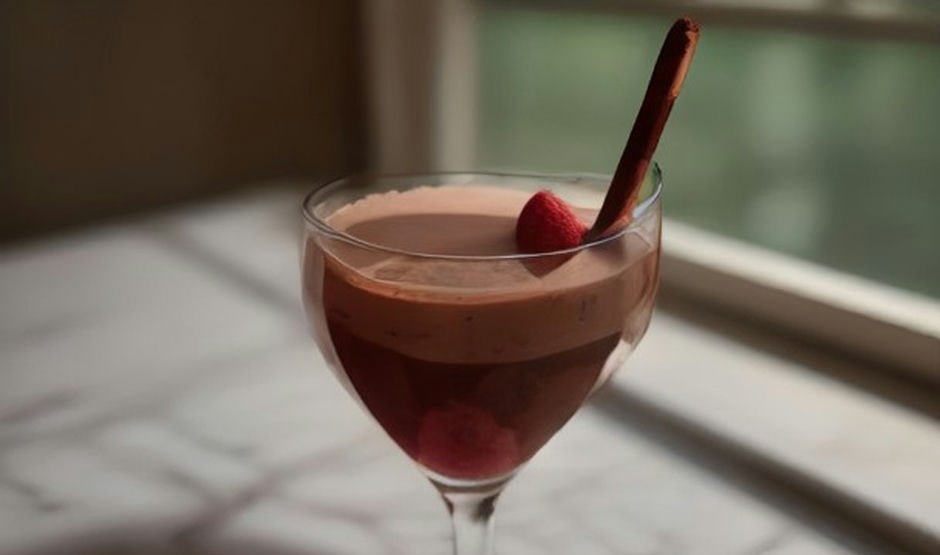
- Dark chocolate avocado mousse. Blend ripe avocado, unsweetened cocoa, a little heavy cream and a low-glycemic sweetener. The fat and fiber make it slow and rich, so one small glass is genuinely enough.
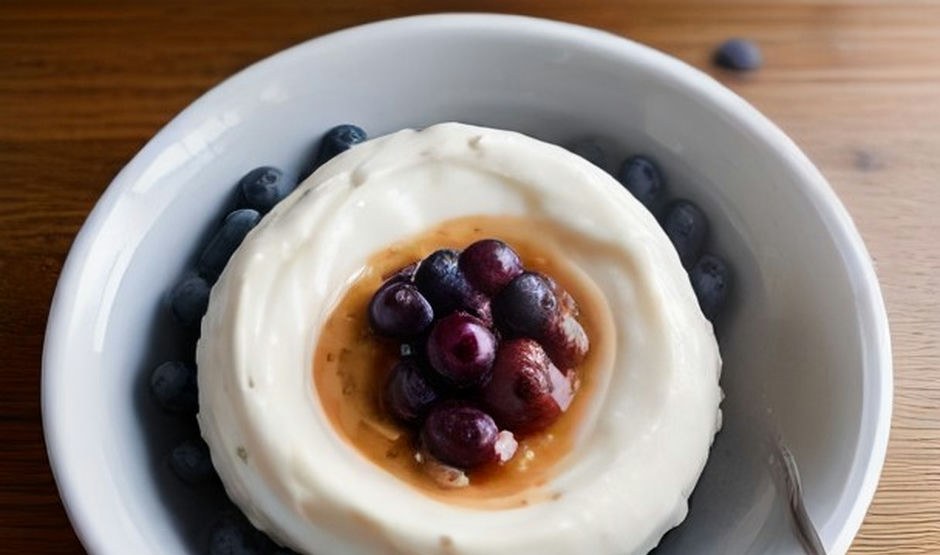
- Greek yogurt with berries and nut butter. Plain Greek yogurt brings protein, berries bring fiber, and a spoon of almond or peanut butter brings fat. It is the closest thing on this list to a balanced meal.
- Almond-flour brownies. Swapping wheat flour for almond flour cuts the starch that drives a glucose spike and puts fat and protein in its place.
- Chia seed pudding. Chia holds water and forms a gel that slows digestion. Set it with unsweetened almond milk, cinnamon and a low-glycemic sweetener overnight.
- Cottage cheese “cheesecake” cups. Blended cottage cheese with vanilla and a little sweetener, baked in small ramekins, gives you cheesecake texture with real protein.
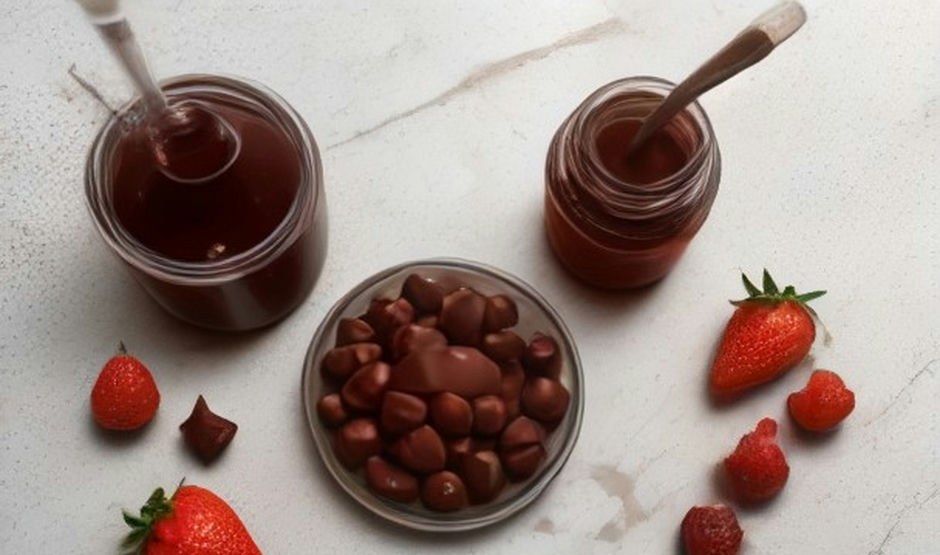
- Chocolate peanut butter fat bombs. Cocoa, peanut butter and coconut oil, set in the freezer. Two or three are a satisfying end to a meal.
- Ricotta with berries and vanilla. Full-fat ricotta, a handful of raspberries and a drop of vanilla. Barely a recipe, and gentle on blood sugar.
- Coconut-flour mug cake. One egg, coconut flour, cocoa and a low-glycemic sweetener, microwaved in a minute for a single serving that will not tempt you into a second.
- Strawberry frozen yogurt bark. Plain yogurt spread thin with sliced strawberries and frozen. A cold, low-sugar alternative to ice cream.
- Protein ice cream. If you want something that eats like dessert and holds hunger for hours, a protein ice cream made with whey or casein and frozen berries is the strongest option on this list.
- Dark chocolate and nut clusters. Melt 85 percent dark chocolate, stir in almonds and walnuts, and set in the fridge. At that percentage, dark chocolate is naturally low in sugar.
- Whipped cream with cocoa and cinnamon. Heavy cream whipped with unsweetened cocoa, cinnamon and a little sweetener, spooned over berries. A two-minute dessert.
The sweetener question: what to use, what to skip
If you want a dessert to taste sweet without moving blood sugar much, the non-sugar sweeteners – stevia, monk fruit and, to a lesser extent, erythritol – are the ones with the least effect on glucose. They are not a free pass. The World Health Organization reviewed the evidence in 2023 and advised that non-sugar sweeteners should not be used as a way to control weight or to reduce the risk of chronic disease, noting that the long-term benefits are not supported and that heavy long-term use may carry unwanted effects. The practical reading is not “avoid them entirely” but “do not build your diet around them.” Watch the sugar alcohols, too: they raise blood sugar more than stevia or monk fruit, and they are the usual reason a sugar-free dessert upsets your stomach.
A simple rule for choosing a sugar-free dessert
Judge a dessert by what it is made of, not by the word on the front of the pack. Start from protein or fat, add fiber, and treat sweetness as the last and smallest ingredient. A dessert with 15 grams of protein and 8 grams of fiber will help you feel full; a dessert that is sweetener over starch will not, however few calories it claims. That is the same reason you can still feel hungry after eating a “healthy” dessert that was mostly carbohydrate. Then read the label once: if the first ingredients are a sugar alcohol or a starch, expect a softer but real glucose rise, and keep the portion small. If you find yourself reaching for sweets most nights, that pattern is usually about your daytime meals rather than dessert itself, which is why a plan to stop eating sweets at night tends to start at breakfast.
When to see a doctor
See a doctor before making sugar-free desserts a regular habit if you take insulin or a sulfonylurea for diabetes, because pairing these with lower-carbohydrate desserts can lead to low blood sugar; if you have a bowel condition such as IBS or IBD, because sugar alcohols commonly trigger symptoms; or if you have phenylketonuria, because aspartame is unsafe for you. If your blood sugar readings are unpredictable, or if you are losing weight without trying, that is a reason to be seen rather than to adjust your dessert. Nothing here is medical advice for your specific situation.
The bottom line
The best sugar-free dessert is the one that tastes good enough that you eat a normal portion, and that carries enough protein, fat and fiber to steady your blood sugar rather than spike it. Start with the twelve above, keep the sweetener modest, and read the label once – so the word “sugar-free” is not doing work it cannot do.
Sources
1. Harvard T.H. Chan School of Public Health, Added Sugar in the Diet.
2. Mayo Clinic, Artificial sweeteners and other sugar substitutes.
3. Mayo Clinic, Artificial sweeteners: Any effect on blood sugar?
4. World Health Organization, WHO advises not to use non-sugar sweeteners for weight control (2023).
5. NHS, The Eatwell Guide.

