

In short: a fast is broken by calories. Plain water, black coffee, plain tea and most zero-calorie sweeteners do not break a fast, but milk, cream, sugar, honey, MCT oil, butter, protein powder and bone broth do, even in a small amount. How strictly that applies depends on whether your goal is calories, insulin or autophagy.
Almost every fasting question comes down to one line: does this break my fast? The honest answer is that “breaking a fast” carries three different meanings, and the food that matters changes with each one. Once you know which definition you are fasting against, the coffee-versus-cream question answers itself.
What “breaking a fast” actually means
Fasting is simply going without food for a chosen window. There is no single calorie number that everyone agrees ends it, because researchers and practitioners judge a fast against three separate things: the calories you take in, the insulin response you trigger, and whether autophagy, the cell-recycling process, stays switched on. A fast can be broken under one definition and still hold under another.
The calorie definition
By the strictest reading, any calorie breaks a fast. Black coffee carries roughly two to five calories a cup, which is technically not zero, yet almost nobody treats it as a break. In practice this definition means that if it carries meaningful calories, it breaks the fast.
The insulin definition
For most people fasting for weight or blood sugar, insulin is the useful measure. Carbohydrates, including the lactose in milk and most added sugars, provoke the strongest insulin response. Fat, including cream, butter and MCT oil, provokes the smallest. That is why a splash of cream is treated more leniently than the same amount of milk or sugar.
The autophagy definition
Autophagy is the strictest of the three. It ramps up during longer fasts and appears to be interrupted by even small amounts of protein, because protein activates mTOR, the signal that tells cells to build rather than to recycle. If autophagy is your goal, even collagen or a few grams of protein in your coffee can end the process you were chasing.

What does not break a fast
The list of things that leave a fast intact is short, and it is almost all zero-calorie. Plain water, still or sparkling, is the obvious one. Black coffee and plain tea contain a few calories and no digestible carbohydrate, and most fasting protocols accept them; caffeine may even blunt appetite a little. Diluted apple cider vinegar, a teaspoon or two stirred into a glass of water, is popular during fasting windows and adds only trace calories. Non-calorie sweeteners such as stevia, erythritol and monk fruit do not raise blood sugar for most people, so they are generally treated as fasting-compatible, though a strict autophagy protocol may exclude them.
Plain supplements usually do not break a fast. Creatine is calorie-free and does not affect insulin, and individual micronutrients such as vitamin D, potassium or the B vitamins carry few or no calories. Fish or algae oil in a normal dose is also low in calories and contains no digestible carbohydrate. The exceptions are gummy vitamins, which often contain sugar and sometimes fat, and any supplement built on maltodextrin, pectin or fruit-juice concentrate.
Does coffee break a fast?
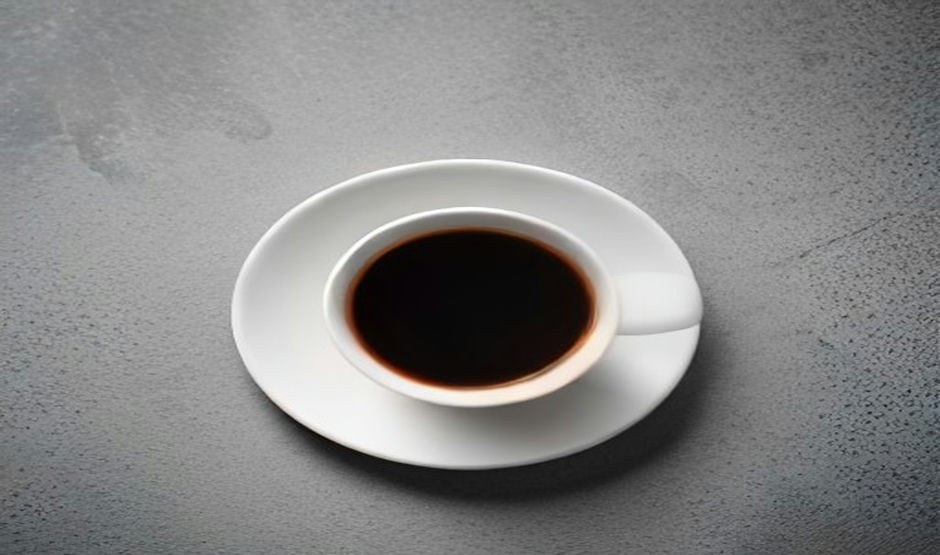
This is the question behind most of the searches, and the answer splits cleanly. Black coffee does not break a fast in any practical sense: a cup has roughly two to five calories, no fat, no protein and no sugar, and it does not meaningfully raise insulin in most people. Adding anything with calories changes the equation. A tablespoon of milk or a splash of half-and-half carries around ten to twenty calories plus lactose, which is sugar, and a sweetened creamer can add fifty to a hundred calories or more. Heavy cream is mostly fat with almost no carbohydrate, so it has the smallest insulin effect of the dairy options, but it is still calorie-dense and it still ends a strict fast.
Bulletproof-style coffee, made with butter or MCT oil, is the clearest case of a drink many people believe is fasting-friendly and is not. It can run two hundred to four hundred calories a cup, almost all of it fat. It will not spike insulin much, and it will not take most people out of ketosis, but it is a meal’s worth of calories and it breaks any honest calorie-based fast.
What breaks a fast
Everything with meaningful calories breaks a fast, but some of it is easy to overlook. Milk, cream, half-and-half and flavoured creamers all count, as does any sugar, syrup or honey in your coffee. MCT oil, coconut oil, ghee and butter count. Protein powder, branched-chain amino acids and collagen count, and protein is the one that also interrupts autophagy. Bone broth, often recommended as a gentle fast-breaker, carries protein and calories and so ends a strict fast, even though it is low in carbohydrate. Fruit juice, soda, sweetened iced tea and smoothies count heavily, because liquid sugar reaches the bloodstream quickly with little to slow it down. Alcohol counts, and it hits harder on an empty stomach. Even sugar-containing gum or mints break a strict fast, and diet soda sits in a grey zone: it is calorie-free, but some people find the sweet taste stirs an appetite response.
The pattern is simple. Calories decide whether a fast is technically broken, and composition decides whether your insulin notices.
The 50-calorie “dirty fasting” rule
Some people run a middle path, often called dirty fasting, which allows up to about fifty calories during the fasting window. Under that rule a splash of milk or a little cream in your coffee fits, and the fast is treated as intact for weight-loss purposes. The catch is that fifty calories is easy to overshoot across several cups, and the rule does nothing for autophagy, which protein and even small calorie loads can interrupt. Treat dirty fasting as a flexible version of a calorie-based fast, not as a strict one.
How to break your fast without a crash
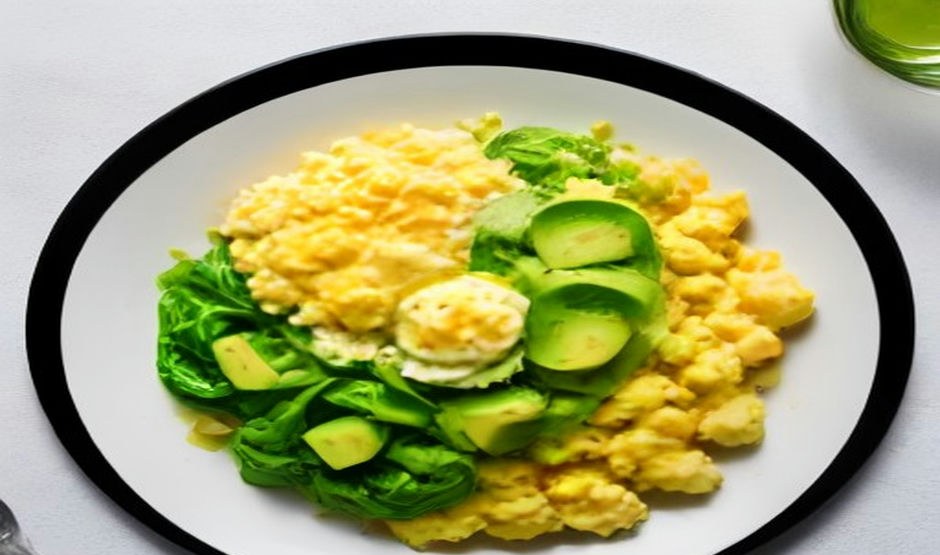
What you eat when the window opens matters as much as what you avoided during it. After a fast your body is more insulin-sensitive, so a sugar-heavy first meal can spike blood sugar and leave you hungry again within the hour. A gentler approach is to lead with protein and fat, then add vegetables and any carbohydrate last, which slows the glucose rise and keeps energy steadier. For a standard sixteen-hour fast, two eggs with some avocado and cooked greens is a solid first plate, and a protein-forward morning of that shape is exactly what keeps appetite quiet through the day, as we covered in our guide to why skipping breakfast backfires. If that first meal leaves you hungry an hour later, the fix is usually more protein and volume rather than fewer calories, the same lesson behind why you can eat a full meal and still feel hungry. When you are ready to build the rest of the day around protein, our breakdown of how much protein you actually need is the place to start, and if the hard part for you is the evening rather than the morning, the same principles sit behind our plan to stop eating sweets at night.
When to talk to a doctor
Fasting is not for everyone, and it is not a substitute for medical care. Speak to a doctor before starting if you are pregnant or breastfeeding, if you take insulin or medication for diabetes, if you have a history of an eating disorder, or if you take medication that must be taken with food. Stop and seek medical advice if fasting brings dizziness, confusion, heart palpitations or fainting. People with type 2 diabetes should not change their eating pattern, including fasting, without medical guidance.
For most healthy adults the practical takeaway is that black coffee, plain tea and water carry you through a fast, while anything with calories ends it. Decide which definition of fasting you are using, apply it consistently, and the daily coffee question stops being a question.
Sources
- Healthline, “What Breaks a Fast? Foods, Drinks, and Supplements” – healthline.com
- Verywell Health, “What Breaks a Fast?” – verywellhealth.com
- de Cabo R, Mattson MP. “Effects of Intermittent Fasting on Health, Aging, and Disease.” New England Journal of Medicine, 2019 – nejm.org
- Moro T, et al. “Effects of eight weeks of time-restricted feeding (16/8) on basal metabolism, maximal strength, body composition, inflammation, and cardiovascular risk factors in resistance-trained males.” Journal of Translational Medicine, 2016 – ncbi.nlm.nih.gov
- NHS, “Eat well” – nhs.uk

