

In short: a low-carb dinner is a protein, a pile of non-starchy vegetables and a source of fat, and every idea below lands at roughly 10 to 25 grams of carbohydrate per serving. Building dinner that way keeps blood sugar steadier through the evening and holds off hunger until morning.
Most people who cut back on carbohydrates to manage weight or blood sugar do well at breakfast and lunch, then quietly undo the day at dinner. Evening is where pasta, rice, bread and potatoes creep back in, and it is also the meal closest to sleep, when a large dose of glucose is least welcome. The fix is not a complicated recipe. It is a template you can pour any ingredient into, plus a short list of dinners that already fit it.
What Makes a Dinner “Low Carb”?
There is no single official threshold. Very low-carbohydrate diets usually stay under about 20 to 50 grams of carbohydrate a day, while a moderately low-carbohydrate plan sits nearer 50 to 100 grams a day. For a single meal, a practical target is simpler: when a dinner is built around protein and non-starchy vegetables and lands at roughly 10 to 25 grams of carbohydrate per serving, it qualifies. That means the protein and the vegetables take up almost the whole plate, and the starch either shrinks to a small side or disappears.
The word “low carb” is not a licence to pour on fat. Research from Harvard’s T.H. Chan School of Public Health is consistent that the quality of the protein and fat matters as much as the quantity of carbohydrate: lower-carbohydrate diets built on vegetables, nuts, fish and olive oil tracked with better heart and metabolic outcomes, while the same carbohydrate cut built on processed meat and butter did not.
How to Build a Low-Carb Plate
Three parts, every time. First, a protein about the size of your palm, which is what actually makes dinner filling and protects muscle when you are losing weight. Chicken, beef, pork, fish, eggs and tofu all work; if you want the numbers behind the portion, start with how much protein you actually need. Second, half the plate of non-starchy vegetables: leafy greens, broccoli, cauliflower, courgette or zucchini, peppers, asparagus, cabbage, green beans and mushrooms. Potatoes, corn, peas and sweet potato are starchy, so they count toward the carbohydrate, not the vegetable pile. Third, a source of fat for flavour and staying power, roughly the size of your thumb: olive oil, butter, avocado, nuts, seeds or cheese.
If dinner still leaves you hunting the kitchen an hour later, the problem is almost always the first part of the plate rather than the last, which is why a protein-forward meal fixes most of the “still hungry after eating” complaints.
15 Low-Carb Dinner Ideas
Every idea below follows the same template, so you can shuffle them across a week without a shopping list that changes shape. Portions are for one adult.
Chicken and poultry
- Sheet-pan chicken thighs with broccoli and peppers. Toss chicken thighs, broccoli florets and sliced peppers with olive oil, salt and paprika, and roast at 220 C (425 F) for about 30 minutes. One tray, about 10 grams of carbohydrate.
- Chicken salad with avocado and olive oil. Cold roast chicken over leaves, cucumber and avocado, dressed with olive oil and lemon. Around 8 grams of carbohydrate.
- Turkey lettuce wraps. Seasoned ground turkey spooned into large lettuce leaves with a spoonful of yoghurt. About 6 grams of carbohydrate.
- Chicken curry with cauliflower rice. A tomato-and-spice chicken curry served over blitzed cauliflower instead of rice cuts 40 or more grams of carbohydrate from the bowl.
Beef and pork
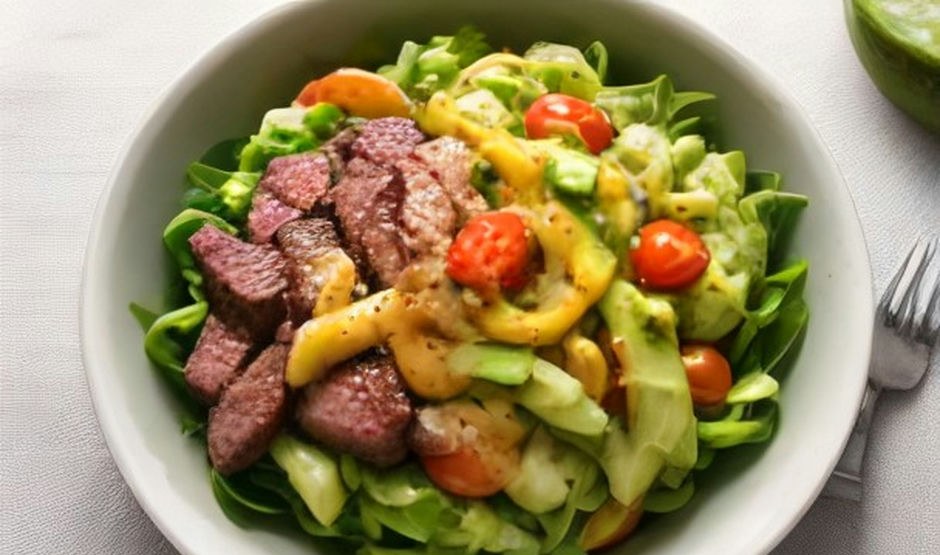
- Steak with garlic butter and green beans. Pan-seared steak, finished with butter and garlic, alongside steamed green beans. About 8 grams of carbohydrate.
- Beef and broccoli stir-fry. Strips of beef and broccoli in a ginger-soy sauce, with no rice or noodles underneath.
- Pork chops with sauteed cabbage. Chops in the pan, then cabbage and onion cooked in the same fat until soft and sweet. Around 10 grams of carbohydrate.
- A bunless burger with a side salad. The patty, cheese and toppings in a bowl over leaves, which removes the 30-odd grams of carbohydrate a bun carries.

Fish and seafood
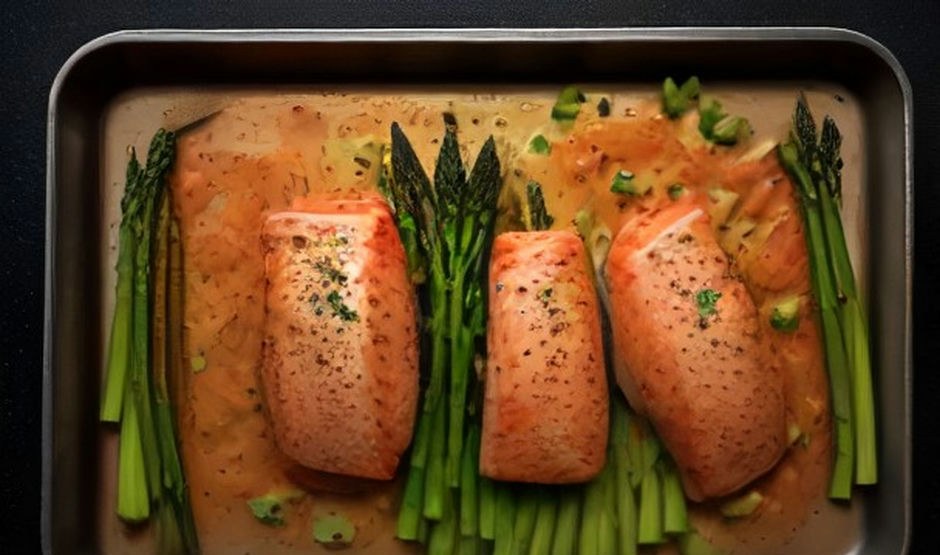
- Baked salmon with asparagus. Salmon and asparagus on one tray, roasted with lemon and olive oil, ready in 20 minutes.
- Shrimp and zucchini noodles. Prawns or shrimp sauteed with garlic, chilli and spiralised zucchini, finished with olive oil and parsley.
- Tuna salad in lettuce cups. Tinned tuna with mayonnaise, celery and spring onion, spooned into lettuce leaves.
Eggs and vegetarian
- Veggie omelette with cheese and spinach. Three eggs, a handful of spinach and a little cheese; about 4 grams of carbohydrate.
- Frittata with mushrooms and peppers. Make a large one and eat it cold the next day, which turns dinner into tomorrow’s low-carb lunch.
- Greek salad with feta and olives. Tomato, cucumber, red onion, olives, feta and olive oil, with a boiled egg or grilled halloumi added for protein.
- Tofu and vegetable stir-fry. Firm tofu browned hard, then broccoli, peppers and pak choi in a light soy and sesame sauce.
Why Low-Carb Dinners Help Blood Sugar and Appetite
Carbohydrate is the macronutrient that raises blood glucose the most, so trimming it at the meal nearest to sleep is the most direct lever you have on evening blood sugar. A widely cited review in the journal Nutrition argued that restricting carbohydrate should be the first dietary approach in type 2 diabetes management, on the strength of its effect on blood glucose and medication needs. In a randomised trial published in The BMJ, adults who had already lost weight and then ate a lower-carbohydrate diet burned slightly more energy across the day than those on a higher-carbohydrate diet, and the difference was largest in people who secreted the most insulin. Protein and fat also empty from the stomach more slowly than starch, which is why these dinners tend to keep you full.
What to Watch Out For
Three things go wrong on a low-carb dinner plate. Fibre quietly falls away when you drop whole grains and beans, so keep vegetables generous and add seeds, nuts or a little avocado; if your intake has dropped, here is what 30 grams of fibre actually looks like. Sodium climbs when you lean on bacon, sausage and processed cheese, so use those as seasoning rather than the centre of the plate. And saturated fat can rise fast if every dinner is butter and fatty red meat, so balance with fish, poultry, olive oil and nuts, which is exactly what the Harvard evidence favours.
Low-Carb Dinners Fit the Rest of the Day
Dinner does not have to carry the whole change. A low-carb breakfast of eggs, Greek yoghurt or a protein-forward start sets the pattern earlier, and pairing a steady dinner with a short walk afterwards does more for post-meal blood sugar than most supplements. The point is a rhythm you can keep, not a perfect day.
When to Talk to a Doctor
This information is general and not a substitute for medical advice. If you take insulin or a sulfonylurea for diabetes, cutting carbohydrates can drop your blood sugar too far and your medication may need adjusting, so speak to your doctor or diabetes nurse before you change your diet. The same applies if you have kidney disease, are pregnant, or are managing a health condition, an eating disorder or blood-pressure medication that interacts with diet. See your doctor before making a large change.
Sources
- Harvard T.H. Chan School of Public Health, The Nutrition Source: Low-Carbohydrate Diets
- Ebbeling CB et al. Effects of a low carbohydrate diet on energy expenditure during weight loss maintenance: randomized trial. BMJ 2018;363:k4583 (PubMed 30429127)
- Feinman RD et al. Dietary carbohydrate restriction as the first approach in diabetes management: critical review and evidence base. Nutrition 2015;31(1):1-13 (PubMed 25287761)
- Mayo Clinic: Low-carb diet – what you need to know
- NHS: The Eatwell Guide
- USDA FoodData Central (food composition data)

