

Vitamin K is an important vitamin for bone health. There are two forms of vitamin K: phylloquinone, found in plants, and menaquinone, found in animals. Vitamin K is necessary for bone metabolism and the blood clotting process. It also plays a role in protecting against cardiovascular disease. Vitamin K is found in many foods, including spinach, Brussels sprouts, broccoli, kale, beets, carrots, apricots, peaches, plums, oranges, bananas, apples, grapes, whole grains, green vegetables, dairy products, eggs, meats, fish, seafood, and vegetable oils.
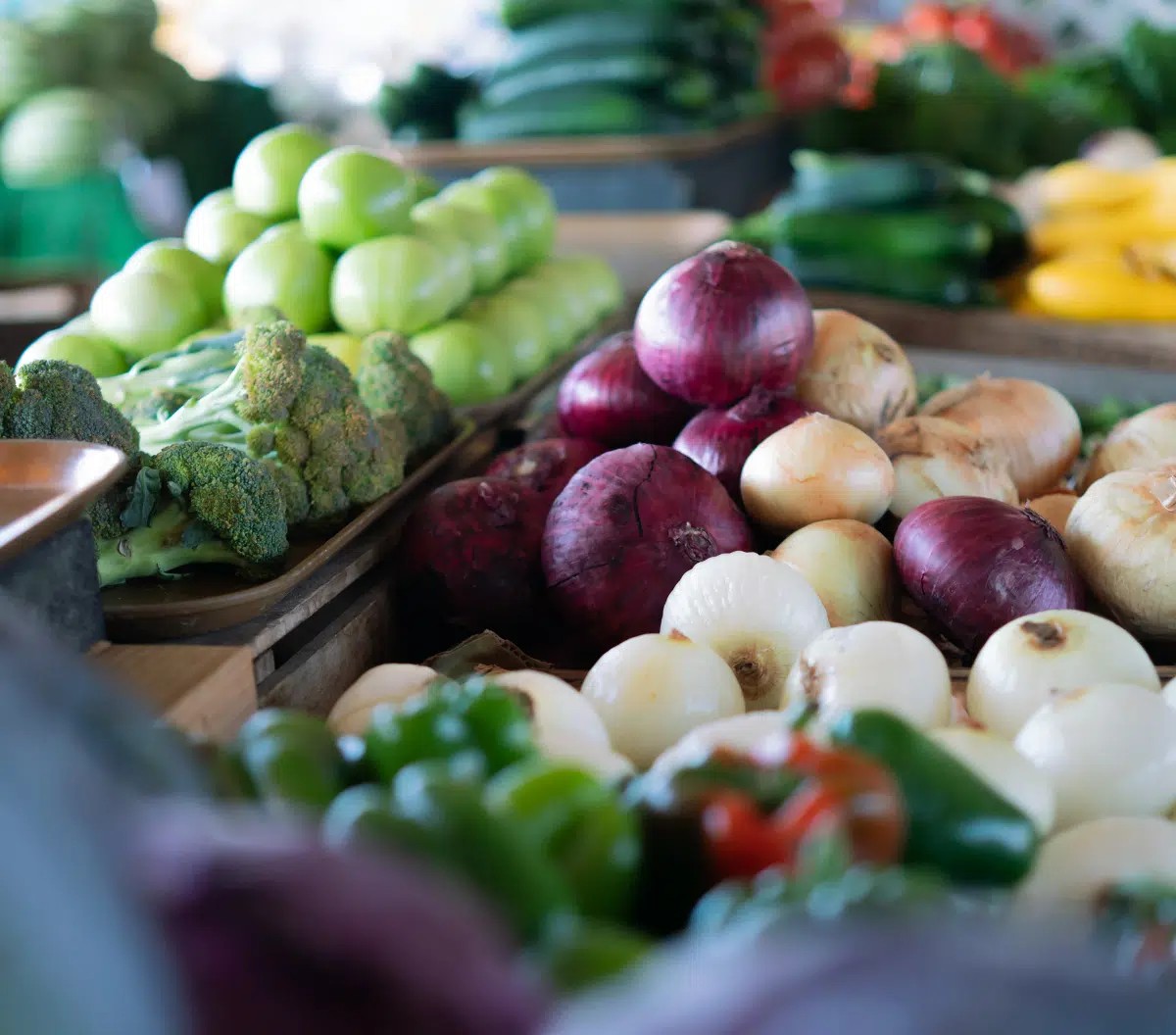
Foods rich in vitamin K: find out which ones!
Vitamin K is essential for blood clotting and maintaining healthy bones. It is found primarily in animal-based foods such as liver, eggs, and cheese, but some plants are also rich in it. Foods containing vitamin K are therefore crucial for good health.
Vitamin K is found primarily in animal-based foods, such as liver, eggs, and cheese. Liver is an excellent source of vitamin K2, the most active form of this vitamin. Eggs are a good source of vitamin K1, the most abundant form in the diet. Cheese is a rich source of vitamin K2.
Certain plants are also rich in vitamin K. Spinach, kale, broccoli, and turnips are good sources of vitamin K1. Green peppers, tomatoes, and bananas also contain significant amounts of this vitamin. Vitamin K2 is found primarily in fermented foods, such as tempeh, miso, and yogurt.
Benefits of vitamin K: why consume it?
Vitamin K is a family of fat-soluble vitamins that play an important role in blood clotting. It is found in many foods, including leafy green vegetables, fruits, and vegetables.
Vitamins K1 and K2 are the most common. Vitamin K1, also called phylloquinone, is found in plants. Vitamin K2, called menaquinone, is found in animal products such as meat, fish, and eggs. Vitamins K3, K4, and K5 are less common and are found in some fortified foods or supplements.
Vitamin K is important for healthy bones and blood vessels. It also helps the liver produce proteins needed for blood clotting. Vitamin K may also help prevent osteoporosis by helping calcium become absorbed by the bones.
Vitamin K is generally well-tolerated by the body. Common side effects of vitamin K include nausea, vomiting, diarrhea, headaches, and excessive bleeding. Vitamin K can also interact with certain medications, including blood thinners, antibiotics, and cancer drugs.
Vitamin K: the best foods to provide it to your body
Vitamin K is important for many bodily functions, including blood clotting, bone strength, and protection against cardiovascular disease. It occurs naturally in many foods, but some contain more than others. Here are the best foods to provide your body with vitamin K.
Spinach is an excellent source of vitamin K1, also known as phylloquinone. Fresh spinach contains about 500 micrograms (mcg) of vitamin K1 per 100-gram (g) serving. Frozen spinach typically has a slightly lower vitamin K content, but it’s still a great option.
Brussels sprouts are another good source of vitamin K1. A 100g serving contains approximately 220 mcg. Brussels sprouts are also a good source of fiber, vitamin C, and manganese.
Kiwifruit is an excellent source of vitamin K2, also known as menaquinone. A 100g serving contains approximately 65mcg. Kiwifruit is also a good source of vitamin C, potassium, and copper.
Plain yogurt and soft cheeses are important sources of vitamin K2. The vitamin K2 content varies considerably from product to product, but some brands can contain up to 80 mcg per serving. Plain yogurt and soft cheeses are also rich in calcium, phosphorus, and riboflavin.
Whole eggs are a good source of vitamins K2 and K3. Whole eggs contain approximately 40 mcg of vitamins K2 and K3 per serving. Eggs are also rich in protein, choline, and lutein.
Red meat is a good source of vitamin B12 and iron, but it also contains a small amount of vitamin K3. Raw ground red meat contains about 3 mcg of vitamin K3 per serving. Red meat is also rich in zinc and selenium.
Which vitamin K forms are most effective for your health?
Vitamin K is important for blood clotting, bone strength, and heart health. It is found in many foods, including green vegetables, nuts, grains, and leafy greens. Vitamins K1 and K2 are the most common and have different effects on your body.
Vitamin K1, also known as phylloquinone, is found primarily in green vegetables and plays an important role in blood clotting. Vitamin K2, on the other hand, is found in animal products such as meat, fish, eggs, and cheese. It has also been found in some fermented foods like kimchi and natto. Vitamin K2 is important for bone strength and heart health.
Vitamin K is fat- and oil-soluble, meaning it can be stored in the liver and adipose tissue. However, it does not accumulate in the body and must be consumed regularly to maintain normal levels. Vitamins K1 and K2 are best absorbed when consumed with fat-rich foods.
Vitamin K deficiency is rare, but it can be caused by poor intestinal absorption, fat malabsorption, or a diet low in vitamin K. Symptoms of vitamin K deficiency include a tendency to bleed easily, unexplained bruising, and bone fragility. People with chronic liver disease or those taking blood-thinning medications may also need vitamin K supplements.
Vitamins K1 and K2 are both important for health, but they have different effects on the body. Vitamin K1 is found primarily in green vegetables and plays an important role in blood clotting. Vitamin K2 is found in animal products such as meat, fish, eggs, and cheese. It has also been found in some fermented foods like kimchi and natto. Vitamin K2 is important for bone strength and heart health.
Vitamin K: Why is it so important for your well-being?
Vitamin K is a family of fat-soluble vitamins that play an important role in blood clotting and bone health. It occurs naturally in many foods, including leafy green vegetables, dark green vegetables, olives, nuts, grains, and dairy products. Vitamin K is also available as a supplement.
Vitamins K1 and K2 are the two most common forms of vitamin K. Vitamin K1, also known as phylloquinone, is found primarily in leafy green vegetables and plant-based foods. Vitamin K2, also known as menaquinone, is primarily found in animal products such as meat, fish, eggs, and cheese. Other forms of vitamin K include vitamin K3 (menadione), vitamin K4 (menadiol), and vitamin K5 (menatetrenone).
Vitamin K is important for bone and brain health. It also helps the liver produce proteins needed for blood clotting. Vitamin K may also reduce the risk of colon cancer.
Vitamin K deficiency is rare, but it can occur in people who don’t consume enough vitamin K-rich foods or who don’t absorb this vitamin well. Symptoms of vitamin K deficiency include excessive bleeding, easy bruising, frequent nosebleeds, and bleeding gums.
Vitamin K is found in many foods, including green vegetables, fruits, legumes, grains, and nuts. It is therefore important to consume these foods to maintain adequate vitamin K levels in the body.

