

Vegetables are essential and should be a daily part of our diet. They are particularly rich in vitamins, minerals, and many other nutrients. Vegetables are also beneficial to our health and can even aid in weight loss.
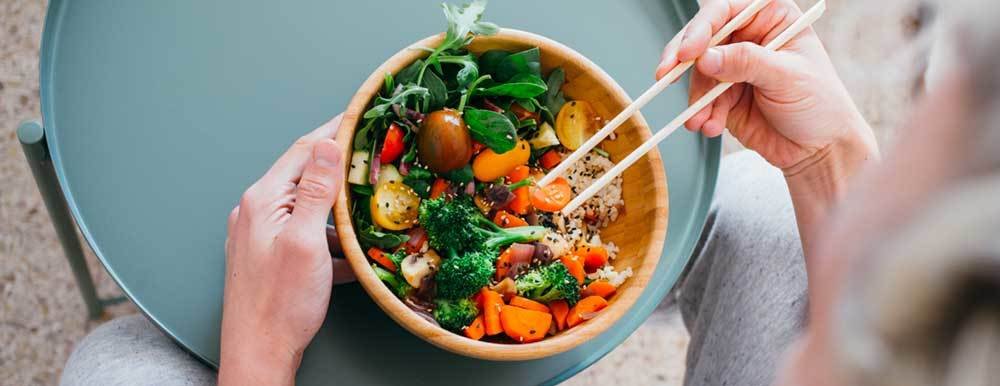
People often find it difficult to eat vegetables because of their taste or texture. Here’s how to fix that!
7 tips for eating more vegetables
1. Add flavor to your vegetables
Do you find that steaming your vegetables is too bland? In that case, add some flavor and give them more taste.
For example, you can add a little olive oil to your vegetable salad. It can also be interesting to use certain spices to enhance your meals. Cumin, for instance, is a good accompaniment to roasted carrots.
It is also possible to make your own sauces for your raw vegetables and vegetables: homemade vinaigrette, yogurt sauce, etc.
2. Make smoothies using fruits and vegetables
Smoothies are an excellent way to eat more vegetables. They are smooth drinks made from blended fruits and vegetables, to which water, milk, or even cottage cheese is added, depending on the recipe.
The great thing about smoothies is that they’re easy to make. You simply peel your fruits and vegetables and blend everything. Plus, they’re a drink you can take anywhere! Some vegetables can have a strong flavor. Blending them with certain fruits will help soften their taste. There are hundreds of recipes out there, so let your imagination run wild and create your own! Here’s my favorite recipe:
- 1/2 pineapple
- 5 to 6 spinach leaves
- 2 celery stalks
- 1 orange
- 10 cl of water
Mix everything, and you’ll get a vitamin-rich drink that will give you a real boost!
3. Diversify your cooking methods
Eating canned or frozen beans has never appealed to anyone! The solution? Get cooking and rediscover the different flavors of vegetables.
There are many ways to cook vegetables. The cooking method, as well as how you prepare them, can give you a different texture and taste. Here are some techniques you can use:
- Boiling
- Steaming
- Oven baking
- Pan-Fried Cooking
- Wok cooking
- Microwave cooking
- Deep-frying
- Barbecue/Griddle cooking
4. Try new vegetable-based recipes
There are thousands of vegetable-based recipes just waiting to be tried. Have you ever heard of cauliflower pizza? Instead of ordering a classic pizza, try making your own with vegetables. You’ll have the satisfaction of having prepared your own pizza, and from a nutritional point of view, it’s much healthier!
5. Take your vegetables everywhere
It’s perfectly fine to take fruits and vegetables to work. Dried fruits such as dates, raisins, or dried cranberries keep well in plastic containers. The advantage is that you don’t need to refrigerate them, and they can be eaten at any time of day. This can be a great way to have a healthy snack. It’s an excellent way to avoid cravings and snacking on just anything, which can lead to weight gain.
6. Alternate your vegetables
Some people have the bad habit of eating only one type of vegetable. The consequence is that they get tired of it over time, which would be a shame.
Instead, try focusing on diversity. A great way to do this is to visit farmers’ markets. You’ll have access to different varieties of fruits and vegetables, generally of good quality. You can even ask market gardeners for advice on preparing vegetables and get new recipe ideas. Finally, remember to always prioritize seasonal vegetables.
- In winter: pumpkin, avocado, rutabaga, shallot, lamb’s lettuce, onion, squash, carrot, leek, potato, etc.
- In summer: artichoke, asparagus, chard, cauliflower, spinach, broad bean, green bean, peas, pink radish, etc.
There are hundreds of vegetable varieties to try
7. Vary the shapes and textures
If you find the texture of vegetables off-putting, you can make them more appealing by changing their shape. Vegetables can be eaten raw, cooked, grated, diced, sliced, or cut into tagliatelle-like strips. This adds a touch of originality and makes them less likely to become tiresome.
Think of creamy soups or vegetable gazpacchos, like tomato or cucumber, that you can enjoy chilled! Ideal for a refreshing summer starter!
If soup doesn’t appeal to you, you can always opt for purees: purees of peas, green beans, broccoli, carrots. The smooth and melting texture, enhanced with a little butter, allows you to enjoy vegetables differently.
Why is it important to eat vegetables?
A balanced meal always includes vegetables! They are generally low in calories and contain a multitude of vitamins, minerals, and antioxidants that will help you stay healthy.
By regularly consuming vegetables, you will be able to replenish your nutrients and avoid deficiencies that can directly impact your body:
- Fatigue
- Bloating
- Diabetes
- Etc.
Alternatives to vegetables
It’s difficult to eat healthily without vegetables on your plate. However, some alternatives can help minimize the damage:
Fruits: While fruits don’t replace vegetables, they can be a good source of vitamins. Most fruits are low in calories, making them ideal if you’re trying to lose weight.
Consuming dried vegetables: This can be a substitute for certain types of vegetables. This includes broad beans, flageolets, soybeans, lentils, tofu, etc.
Fiber: If you eat few vegetables, you risk being deficient in dietary fiber. This is important for regulating your bowel movements. Also, if you want to lose weight, fiber tends to swell in your stomach and reduce feelings of hunger. It can be wise to choose foods containing fiber.
Dietary supplements are an excellent way to address vitamin and mineral deficiencies. However, be careful to choose your supplements wisely. I myself occasionally use multivitamin supplements (especially in winter) to boost my immune system. I recommend the Nutri&Co brand of dietary supplements.

