

An essential element of Christmas, along with crackers, we all know foie gras: a legendary delicacy that graces our tables with delight on special occasions. Raw, cooked, canned, whole… Here’s what you need to know about this “luxury” food!
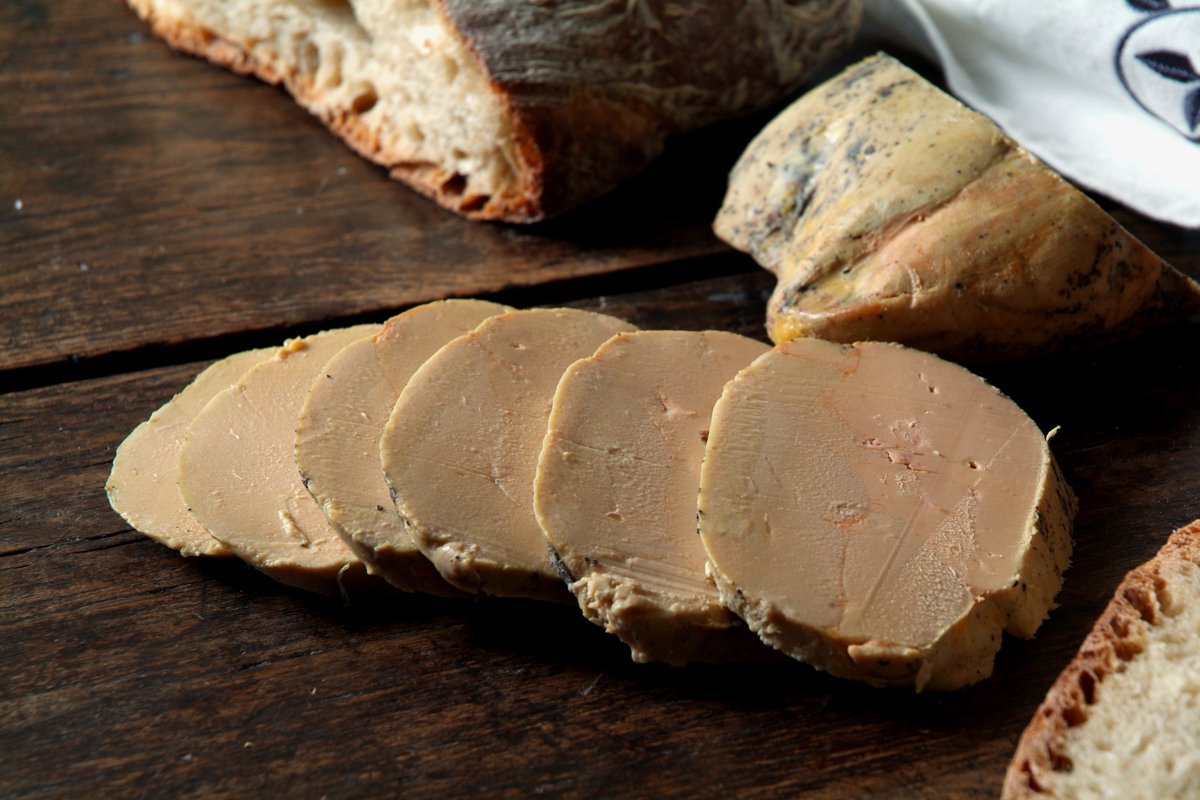
3 distinct names
Foie gras, yes, but not just any kind! Did you know that its famous name can only be applied to products that contain it exclusively?
This myth of French gastronomy, which is talked about all over the world, is not to be trifled with. Officially, there are three different designations. If you have any doubt about the authenticity of your product, look for one of these three references, which must appear on the label.
The term “whole”: this refers to a preparation made from a complete base of a goose or duck. When cut, this product has a perfectly uniform color.
” Foie Gras”: this simple word is nonetheless an official designation. It refers to a preparation made from the combined lobes of ducks and geese. These lobes can come from several different animals. When sliced, under this name, it has a marbled appearance, highly prized by connoisseurs.
The “Bloc”: The term “bloc” refers to a preparation made from cut and cooked goose or duck meat. If lobes are incorporated into this preparation, then it is called “Bloc with pieces.” Visually, the incorporated pieces of lobes added to the bloc are clearly visible when sliced.
You may have already encountered other names. For example: “Goose liver parfaits” or “Duck liver parfaits”, products that are not composed solely of the actual food cannot include the official designation in their commercial name.
Foie Gras in all its forms!
We’ve just discussed what can legitimately be called “food” in supermarkets. You should also know that it comes in many forms! Raw, semi-cooked, or canned: it’s up to you to choose the product in the state that suits you best.
Canned: This form is sterilized. Ready to eat, this type of preparation comes in a metal can or a glass jar. Stored in a cool, dry place, it will keep for several years and tends to improve with age. However, the label on the product will always indicate a best before date.
Semi-cooked: This product is pasteurized. Ready to eat, this preparation should be kept refrigerated between 0°C and 4°C. The average shelf life of this product varies considerably depending on the packaging. It ranges from a few weeks for vacuum-sealed products to several months for jars (or metal cans).
Raw: unlike the other two, this form must be cooked before eating. Presented as is or vacuum-sealed, it is both supple and firm and keeps for about 7 days in the refrigerator. A good raw preparation should have a beige or ivory color.

