

Foods rich in vitamin B2 include dairy products, eggs, meat, cereals, and green vegetables. Vitamin B2 is important for the health of cells, tissues, and organs. It also plays an important role in the metabolism of lipids, carbohydrates, and proteins.
What is vitamin B2?
Vitamin B2 is a water-soluble vitamin that is part of the B vitamin complex. It is also known as riboflavin. Vitamin B2 is necessary for the metabolism of carbohydrates, fats, and proteins. It also plays an important role in energy production in the body. Vitamin B2 is water-soluble and can be stored in the liver.
Vitamin B2 is commonly found in protein-rich foods, such as meat, eggs, milk, and dairy products. It is also found in some green vegetables, such as spinach and broccoli. Canned foods can also be a source of vitamin B2. Vitamin B2 is also added to some foods, such as fortified cereals and dairy products.
People with chronic illnesses, such as diabetes, kidney or liver failure, may need more vitamin B2 than healthy individuals. Pregnant or breastfeeding women also need more vitamin B2. People taking certain medications, such as antibiotics, may also require more vitamin B2.
Foods richest in vitamin B2
Vitamin B2, also called riboflavin, is a water-soluble vitamin found in many foods. It plays an important role in the metabolism of carbohydrates, lipids, and proteins. Vitamin B2 is also necessary for energy production in the body. It also helps prevent fatigue and maintain eye health.
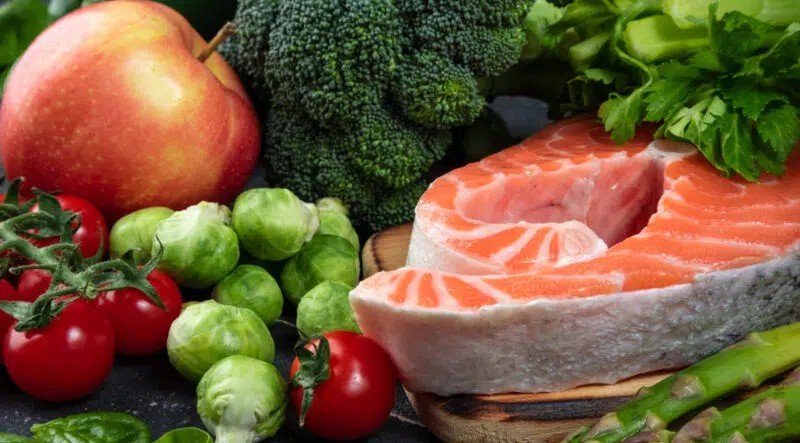
The foods richest in vitamin B2 are eggs, dairy products, meats, fish, nuts, seeds, lentils, spinach, and Brussels sprouts. Vitamin B2 is also found in many fortified foods, such as some cereals and fruit juices.
The benefits of vitamin B2
Vitamin B2, also known as riboflavin, is a water-soluble vitamin found in many foods. It plays an important role in energy production in the body, reducing inflammation, and protecting cells from oxidative damage. Vitamin B2 is also essential for growth and development, and it helps maintain healthy vision and skin.
Many foods contain vitamin B2, including eggs, dairy products, liver, mushrooms, seeds, nuts, broccoli, kale, and spinach. Vitamin B2 is also found in many fortified grains, including brown rice, quinoa, and oats.
Vitamin B2 has numerous health benefits. It plays an important role in energy production in the body, as it helps metabolize carbohydrates and fats. Vitamin B2 is also essential for the production of red blood cells, which carry oxygen throughout the body. In addition, vitamin B2 helps reduce inflammation and protect cells from oxidative damage.
Vitamin B2 is also important for growth and development. In particular, it helps maintain normal vision and prevent cataracts. Vitamin B2 is also essential for collagen production, making it an important nutrient for healthy skin.
Vitamin B2 deficiencies
Vitamin B2, also known as riboflavin, is a water-soluble vitamin that plays an important role in many bodily functions. It is necessary for the metabolism of carbohydrates, lipids, and proteins, and it also participates in cellular energy production. Vitamin B2 is also known for its antioxidant properties, making it an essential nutrient for overall health.
Vitamin B2 is found naturally in many foods, including dairy products, eggs, meats, fish, nuts, seeds, leafy green vegetables, and some fruits. Foods rich in vitamin B2 are often also rich in other B vitamins, such as vitamin B6 and niacin.
Vitamin B2 deficiency is relatively rare, but it can occur in some people who don’t consume enough of these foods. Vitamin B2 deficiency can cause symptoms such as fatigue, loss of appetite, diarrhea, abdominal pain, nausea, vomiting, muscle cramps, neurological problems, and skin inflammation. If you suspect you have a vitamin B2 deficiency, consult your doctor for proper diagnosis and treatment.
Symptoms of vitamin B2 deficiency
Vitamin B2, also known as riboflavin, is a water-soluble vitamin that plays an important role in many bodily functions. Vitamin B2 is necessary for cell growth and metabolism, energy production, maintaining healthy skin and mucous membranes, and protecting the eyes from harmful ultraviolet light. Vitamin B2 deficiency can lead to a range of symptoms, including fatigue, headaches, hair loss, dry skin and mucous membranes, skin irritations, mouth ulcers, diarrhea, and loss of appetite. Fortunately, vitamin B2 deficiency is rare because it is abundant in foods and easily absorbed by the body. Foods rich in vitamin B2 include yogurt, cheese, eggs, meats, fish, leafy green vegetables, fortified cereals, and fortified dairy products.

