

Crossing the Mongolian steppes or strolling through the bustling streets of Ulaanbaatar quickly awakens culinary curiosity. Among all the traditional specialties that enliven Mongolian street food, a golden, fragrant pastry, fresh from the oil, inevitably catches the eye: the famous khuushuur. A true star during the Naadam festival, this simple yet authentic dish perfectly embodies the conviviality and ingenuity of Mongolian cuisine.
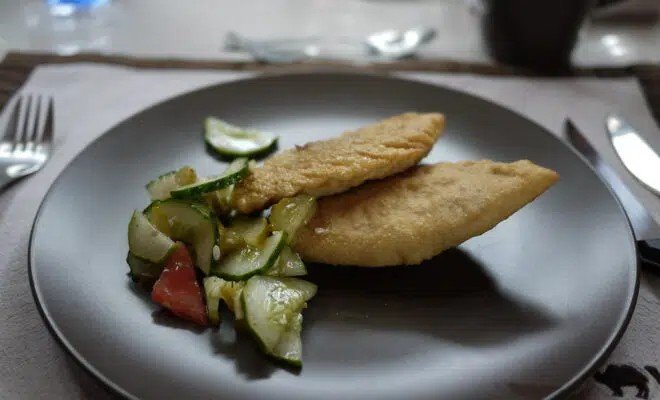
What is khuushuur?
Behind its evocative name, the khuushuur is a staple of Mongolian cuisine. This deep-fried pastry consists primarily of a wheat flour dough, cut into large circles and then generously filled. The filling typically combines mutton —sometimes replaced by beef, yak, or goat—with onions, garlic, robust spices, and a carefully balanced amount of fat to enhance the texture.
The recipe draws its inspiration from the local terroir and adapts to the products available year-round in this rugged land. Served hot, almost piping hot, the khuushuur boasts a crisp, beautifully brown crust that, with each bite, reveals a soft center bursting with intensely meaty flavors.
A central dish in Mongolian culture
Khuushuur isn’t just appreciated for its delicious taste. It plays a central role in large festive gatherings like Naadam, where athletes and curious onlookers flock to the stalls to sample this flavorful street food. Its simple preparation contrasts with the care taken at each stage, transforming its making into a special family experience.
Over the years, khuushuur has become the quintessential celebratory dish, shared at grand events as well as among friends over a cup of salted milk tea. It’s a true Proustian madeleine for many expatriate Mongolians, evoking the aromas of their childhood and joyful gatherings in the yurt.
Rituals and special moments surrounding the khuushuur
Taking part in the preparation of a tray of khuushuurs with a Mongolian family is to immerse oneself in the heart of local traditions. Each household cultivates its own little secrets for making the perfect dough or seasoning the filling, and the learning of this know-how is naturally passed down from generation to generation.
Read Also Fruits rich in iron: here are some fruits rich in iron
Far beyond food, this fried pastry symbolizes hospitality: offering a hot khuushuur is welcoming the other as an honored guest and sharing much more than just food.
The khuushuur during Naadam
It’s impossible to miss the khuushuur during the Naadam festival, a national celebration punctuated by horse races, archery, and traditional wrestling. In the walkways, the aroma of frying food and joyful shouts fill the air. Mobile kitchens overflow with trays of fried dumplings, prepared assembly-line style and served piping hot to those eager to celebrate national identity.
It is undoubtedly this vibrant context that contributes to the magic of the dish. Crispy on the outside, melting on the inside, this pastry truly captures the spirit of the celebration and delights both locals and awestruck travelers.
The secrets of manufacturing
Making a good khuushuur depends on several meticulous details. It all starts with the wheat flour dough, which is thoroughly kneaded to achieve suppleness and elasticity. Cut with a bowl or rolling pin, it forms the ideal shell to hold the filling.
Inside, the stuffing, composed mainly of minced meat —often mutton but sometimes combined with beef, yak, or even goat—is enriched with onions, garlic, and various spices (black pepper, cumin, chili pepper, depending on preference). The addition of mutton fat gives it that sought-after creaminess during the final cooking stage.
As for frying: a mastered art
Each khuushuur plunged into the boiling oil quickly takes on an irresistible hue. Deep-frying seals in the flavors and creates that slightly puffed-up coating, perfect for preserving the tenderness of the meat. Some enthusiasts add a touch of salt or sauce on top after cooking, or even dip their fried pastry in a mixture of vinegar, chili, or aromatic herbs.
Variations even exist in the technique: some families prefer to cook the khuushuur dry on a hot plate or mix different types of meat to vary the textures and flavors. This freedom of interpretation explains the incredible diversity of flavors across Mongolia.
Homemade prank, adaptation, and creativity
Making your own stuffing lets you try different combinations or even incorporate more ingredients, depending on the season. Some add grated vegetables or fresh herbs when available, while others opt for more pepper or a touch of sweetness from the onion to enhance the overall flavor.
Learning to make khuushuurs as a family transforms the kitchen into a joyful workshop. It’s often an opportunity to share anecdotes and memories while carefully folding each fried pastry to make it unique.
The khuushuur, king of Mongolian street food
Ulaanbaatar offers an ideal setting to discover the many facets of this traditional specialty. The small restaurants scattered throughout the capital compete for hungry passersby’s business, especially after work or during festivals.
Khuushuur is almost always on the menu, alongside signature dishes like buuz, another steamed dumpling with a similar filling but a very different texture. While buuz is appealing for its mildness, khuushuur makes a bold statement with its unique fried crust.
- Colorful trays are placed in front of the shops
- Classic or mini sizes for snacking on the go
- Hot or tangy sauces to accompany
- Revisited recipes, sometimes vegetarian or modernized
This explosion of variations helps perpetuate the popularity of khuushuur, with young and old alike regularly coming to taste this emblem of Mongolian street food. Eating your fried dumpling on the go, standing in the street, or seated in a small restaurant, is fully part of the local way of life.
Why does this fried pastry still fascinate so many people?
The magic of khuushuur comes as much from its rustic flavor as from its ability to bring people together. Everyone claims to have the best method, the right balance of meat or fat, and each tasting holds its share of surprises thanks to the variety of spices and techniques used.
A symbol of sharing, this fried pastry recalls the importance of solidarity in nomadic culture. Its success rests both on the immediate pleasure of eating it and on its deep roots in the nation’s collective history.
More than just a dish, a landmark for anyone visiting Mongolia
Watching a cook plunge a series of khuushuurs into scalding oil is a contagious joy. The aroma that wafts from the pan heralds the imminent arrival of an authentic culinary experience. Over the course of your travels, it would be unthinkable to miss these unassuming little spots proudly displaying “ homemade khuushuur ” on their makeshift signs.
In Mongolian cuisine, few other dishes manage to forge such a direct link between history and modernity. Whether enjoyed on a tablecloth in the covered market, savored piping hot during the Naadam festival, or learned from a smiling grandmother, khuushuur retains its unifying power. To savor it is to take part, with every bite, in the grand adventure of Mongolian cooking.

