

The vegetable richest in vitamin A is the red bell pepper. Red bell peppers also contain vitamin C, making them a very nutritious vegetable. Red bell peppers are also an excellent source of fiber.
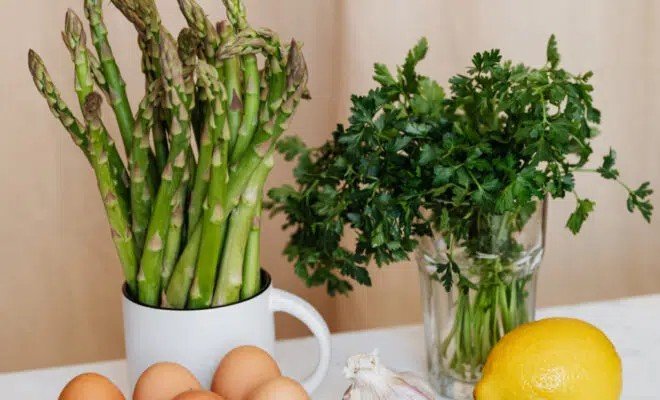
The vegetable richest in vitamin A
The vegetable richest in vitamin A is bok choy. This variety of Chinese cabbage contains a high amount of beta-carotene, a precursor to vitamin A. Bok choy is therefore particularly recommended for people who do not consume enough fruits and vegetables, as it helps to meet a portion of their daily vitamin A requirements.
Bok choy is also an excellent source of vitamins C and K, as well as calcium, iron, and potassium. It can be eaten raw or cooked, alone or with other vegetables.
Vegetables containing the most vitamin A
The vegetables richest in vitamin A are carrots, sweet potatoes, and spinach. Vitamin A is important for vision, the immune system, and reproduction. Carrots contain about as much vitamin A as other vegetables. Sweet potatoes and spinach are also rich sources.
Foods containing the most vitamin A
The vegetable richest in vitamin A is the bell pepper. Vitamin A is a fat-soluble vitamin, also known as retinol. It plays an important role in vision, cell renewal, and immune function. Foods rich in vitamin A include:
- Red bell peppers contain more vitamin A than any other vegetable. They are also rich in vitamin C, carotenoids, and flavonoids, making them a very beneficial health food.
- Carrots: They are also rich in carotenoids, particularly beta-carotene, which is converted into vitamin A in the body. Carrots are also a good source of dietary fiber, vitamins C, B6, and K.
- Sweet potatoes: they also contain plenty of beta-carotene, as well as other carotenoids like lutein and zeaxanthin. Sweet potatoes are a good source of vitamins B6, C, and potassium.
- Kale: It is an excellent source of vitamins A, C, and K, as well as carotenoids. It is also rich in flavonoids and antioxidants.
- Tomatoes: They contain lycopene, a powerful antioxidant that protects against cardiovascular disease and certain cancers. Tomatoes are also a good source of vitamins C and E.
What is vitamin A?
Vitamin A is a fat-soluble vitamin found in foods of both animal and plant origin. It plays an important role in vision, the immune system, reproduction, and growth. Vitamin A exists in several forms, including retinol, beta-carotene, and lycopene. Foods rich in vitamin A include eggs, liver, carrots, apricots, tomatoes, and bell peppers. Vitamin A is also available in supplement form.
The benefits of vitamin A
Vitamin A is an important vitamin for healthy bones, teeth, skin, and eyes. It also helps the body metabolize fats and build new cells. Vitamin A occurs naturally in some foods, such as carrots, apricots, spinach, and sweet potatoes. Canned foods can also be a source of vitamin A, which is also available as a supplement. People who don’t get enough vitamin A may be at risk of vitamin A deficiency. Symptoms of vitamin A deficiency can include blurred vision, dry and flaky skin, brittle bones, and a weakened immune system. Vitamin A deficiency can be especially dangerous for children and pregnant women. Fortunately, it’s easy to prevent vitamin A deficiency by eating foods rich in vitamin A or by taking supplements.
The vegetable with the highest vitamin A content is celery. Other vegetables rich in vitamin A include carrots, tomatoes, peppers, and spinach.
FAQ: In summary
Question: Which vegetable contains the most vitamin A?
Answer: The vegetable that contains the most vitamin A is the carrot.
Question: Why do carrots contain so much vitamin A?
Answer: Carrots contain a lot of beta-carotene, which is a precursor to vitamin A.
Question: What other vegetables contain a lot of vitamin A?
Answer: Other vegetables that contain a lot of vitamin A are sweet potatoes, spinach, and tomatoes.
Question: What does vitamin A do for our body?
Answer: Vitamin A helps maintain normal vision, strengthens the immune system, and promotes the growth of bones and teeth.
Optimize the absorption and safety of vitamin A
The bioavailability of carotenoids from vegetables depends heavily on cooking methods and meal composition. To promote intestinal absorption, always combine vegetables rich in precursors with a small amount of fat (vegetable oil, avocado puree, nuts): fats facilitate emulsification through bile secretion and micelle formation, which are essential for transporting pigments into enterocytes. Gentle cooking (steaming, light sautéing) and chopping or blending release more carotenoids than consuming raw vegetables, while overcooking can reduce the retention of sensitive compounds. Mineral and digestive status also play a role: adequate zinc intake and a balanced gut microbiota promote the enzymatic conversion of beta-carotene to retinol and overall absorption.
From a nutritional safety perspective, it’s helpful to distinguish between natural dietary sources and concentrated supplements. Plant pigments generally don’t cause toxicity, but repeated excesses of active forms can lead to hypervitaminosis, with symptoms such as nausea, headaches, bone fragility, or liver abnormalities. Adhering to reference intakes and varying sources (colorful vegetables, fruits rich in carotenoids, and small amounts of animal products if desired) reduces this risk.

