

In short: A chaffle is a waffle made from egg and cheese instead of flour. The base recipe is one large egg plus half a cup of shredded cheese, cooked in a hot waffle iron for about three minutes. One chaffle lands around 12 grams of protein and only 2 to 3 grams of carbohydrate, so it browns like a waffle, holds a sandwich, and fits a low-carb or keto way of eating without any special flour.
If you have been cutting back on bread and grains, the chaffle is probably the most useful swap you can learn this year. It started as a keto internet joke, a mash-up of “cheese” and “waffle,” and then people actually made it and found it worked. The reason is simple chemistry: when you melt shredded cheese into beaten egg and press it in a hot iron, the egg sets and the cheese crisps at the edges, forming a lattice that behaves like a waffle. It is fast, it uses two ingredients most kitchens already have, and it does not taste like a compromise. This guide covers the basic recipe, what a chaffle actually delivers nutritionally, the variations worth trying, and the small mistakes that turn a good chaffle into a greasy one.
What Is a Chaffle?
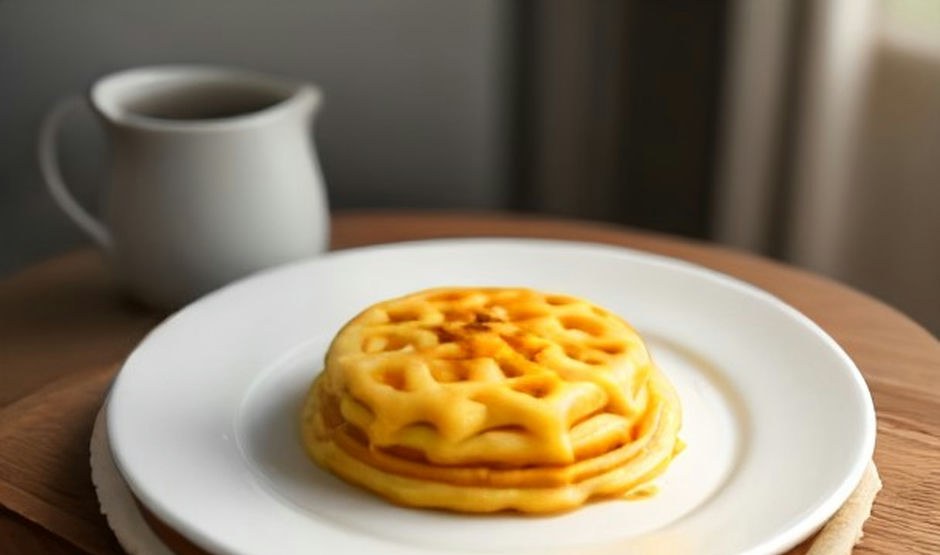
A chaffle is a small waffle whose batter is made from egg and melted cheese rather than flour, milk and sugar. There is no flour, no baking powder and no added sugar in the classic version, which is why it has become a fixture in low-carb and keto cooking. Because the structure comes from egg protein and cheese rather than from a starch, a chaffle browns quickly, tastes savory, and crisps up as it cools on a rack. Made in a mini waffle iron, one chaffle is roughly the size of a slice of bread, which is exactly why people use two of them as a sandwich.
The name is casual but the technique is real baking logic. In a traditional waffle, gluten from wheat flour traps steam and gives the structure. In a chaffle, the egg proteins set into a network as they cook, and the cheese both adds fat for browning and firms the whole thing as it cools. Get the ratio right and you get a tender, slightly chewy waffle with crisp cheese edges. Get it wrong and you get a limp omelette with a cheese skin, so the measurements below matter more than they look.
The Basic 2-Ingredient Chaffle Recipe
This makes two mini chaffles, or one large one, depending on your iron. It takes about five minutes from fridge to plate.
Ingredients
- 1 large egg
- 1/2 cup finely shredded mozzarella or mild cheddar (finely shredded melts more evenly than thick-cut shreds)
- Optional but recommended: 1 tablespoon almond flour and 1/4 teaspoon baking powder, for a lighter, more waffle-like texture
Method
- Preheat your waffle iron. A mini waffle maker heats in about three to five minutes; a full-size iron takes longer. A hot iron is the single biggest factor in whether the chaffle releases cleanly.
- In a small bowl, whisk the egg until it is smooth and uniform, then stir in the shredded cheese until fully combined. If you are using the almond flour and baking powder, whisk those into the egg first.
- Lightly grease the hot iron, even if it is non-stick. Cheese sticks.
- Spoon about half the batter onto the iron, close the lid, and cook for three to four minutes, until the chaffle is golden brown and firm to the touch. Do not open the lid early; an under-set chaffle tears.
- Lift the chaffle onto a cooling rack, not a plate. A rack lets steam escape so the surface stays crisp instead of going soggy. Repeat with the remaining batter.
What a Chaffle Actually Delivers
The nutrition of a chaffle is almost entirely the nutrition of its two ingredients, so it shifts with the cheese you choose. Made from one large egg and half a cup of part-skim mozzarella, a single chaffle comes to roughly 200 to 220 calories, 15 to 16 grams of protein, 2 to 3 grams of carbohydrate, and 14 to 16 grams of fat. Swap in a sharper cheddar and the protein and fat both rise slightly while the carbs stay low. Add the optional almond flour and you add a gram or two of carbohydrate and a little more fiber.
What that means in practice is that a chaffle behaves much more like a protein food than like a bread. Compared with a standard waffle, which is mostly refined flour and sugar, a chaffle brings a similar calorie load with several times the protein and a fraction of the carbohydrate. For anyone who is watching blood sugar, that difference is the whole point: protein and fat digest slowly and produce a far gentler glucose response than a starchy waffle topped with syrup.
Protein also does more for appetite than most people expect. Research on protein and satiety has repeatedly found that eating protein at a meal increases fullness and reduces the calories eaten at the next one, which is why a protein-forward breakfast tends to carry people further than a carb-forward one. A chaffle is a convenient way to put that principle to work without cooking meat. If you want the fuller picture on how much protein you actually need, see our guide to how much protein you need each day, and for a range of flour-free morning options, our list of low-carb breakfast ideas goes beyond the waffle iron.
Savory and Sweet Chaffle Variations
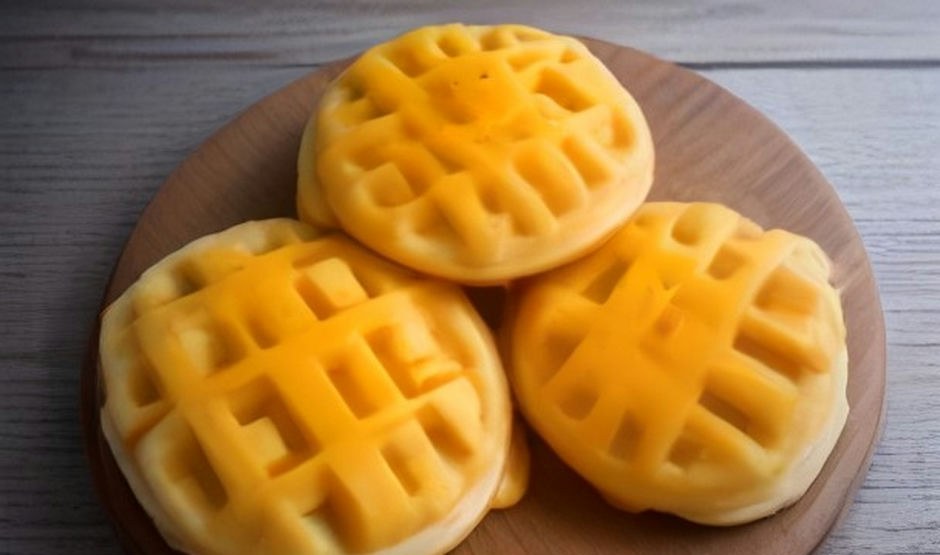
The base recipe is a blank canvas, and the variations are where a chaffle earns its place in the rotation. For a savory version, fold chopped chives, crumbled bacon, or a spoonful of grated parmesan into the egg before cooking, and use the finished chaffles as burger buns, sandwich bread, or the base for a fried-egg breakfast. Everything-bagel seasoning on the top before you close the lid gives it a deli flavor with no extra effort.
For something closer to dessert, add a teaspoon of cocoa powder and a low-sugar sweetener to the egg, and top the cooked chaffle with whipped cream or a few berries. A cream-cheese-and-cinnamon version is a gentler stand-in for a cinnamon roll. If sweet breakfasts are a weak spot, this pairs well with our flour-free protein ice cream for a dessert you can eat without a blood-sugar spike, and it also fits the kind of high-protein, low-carb structure that keeps you full until the next meal, which we explain in why you may still feel hungry after eating.
How to Avoid Soggy or Greasy Chaffles
Almost every chaffle failure comes down to one of three things. The first is a cool iron: if the surface is not hot, the cheese leaks fat before the egg sets, and you get a greasy, floppy result. Let the iron come fully up to heat, and cook a little longer than feels right. The second is over-loading the iron. Pile in too much batter and the middle never sets, so use about half the batter per mini chaffle and let it spread. The third is cooling on a plate. Trapped steam softens the crisp crust within a minute, so always move the chaffle to a wire rack. If your chaffles consistently taste too salty, that is the cheese rather than the recipe; use a part-skim mozzarella and add a pinch of salt only if you want it.
When to Be Careful
A chaffle is a food, not a treatment, and it is a high-fat, high-sodium food at that. If you have high blood pressure, heart disease, kidney disease, or a condition that requires you to limit sodium, saturated fat or protein, treat the chaffle as an occasional swap rather than a daily staple, and check the cheese label for sodium. Anyone managing diabetes should still judge the effect on their own blood sugar, since individual responses vary even to low-carb foods. This article is general information, not medical advice; if you are unsure how a cheese-and-egg recipe fits your diet, or you are changing how you eat to manage a diagnosed condition, speak with your doctor or a registered dietitian first.
Sources
1. US Department of Agriculture, FoodData Central – nutrient profiles for eggs and cheeses. https://fdc.nal.usda.gov/
2. Harvard T.H. Chan School of Public Health, The Nutrition Source – Eggs. https://www.hsph.harvard.edu/nutritionsource/eggs/
3. Leidy HJ et al. The role of protein in weight loss and maintenance. American Journal of Clinical Nutrition, 2015. https://pubmed.ncbi.nlm.nih.gov/25926512/
4. NHS, The Eatwell Guide – eating a balanced diet. https://www.nhs.uk/live-well/eat-well/food-guidelines-and-food-labels/the-eatwell-guide/

