

In short: a low-carb lunch is built on three things: a palm-sized portion of protein, a large pile of non-starchy vegetables, and a thumb of healthy fat. That combination lands around 10 to 25 grams of net carbs, keeps you full for hours, and avoids the blood sugar dip that sends most people hunting through the snack drawer by mid-afternoon.
Lunch is the meal people get wrong most often on a low-carb plan. Breakfast is easy to sort out, and dinner is usually under your own roof and your own control. Lunch is the one you eat at a desk, in a canteen, or in the ten minutes between two other things. The default is a sandwich, a wrap or a box of pasta, which is precisely the food that raises blood sugar fastest and leaves you hungry again sixty minutes later. The fix is not willpower. It is a repeatable format you can build anywhere, and fifteen ideas that fit it.
What Makes a Lunch Low Carb?
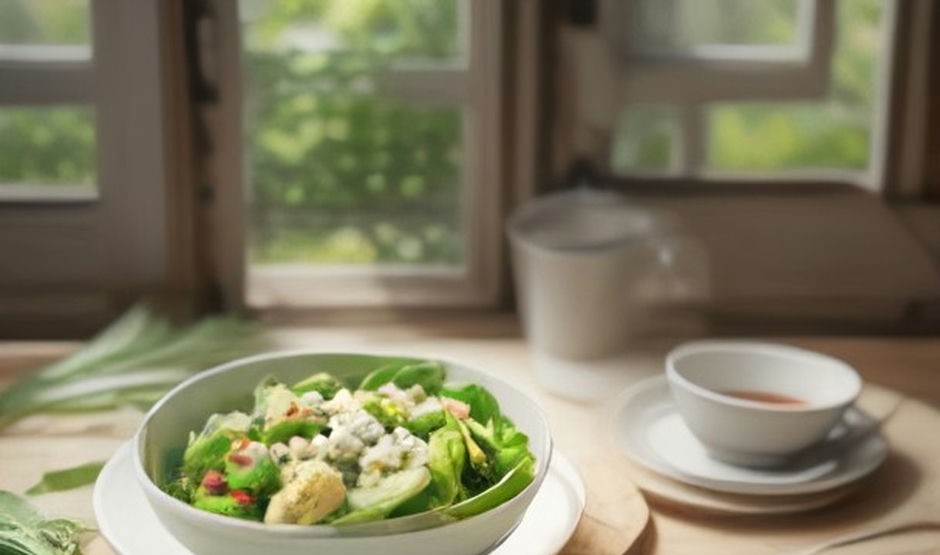
Low carb is not zero carb, and a good lunch is not a plate of meat with nothing beside it. The definition most dietitians use is a meal that comes in under roughly 25 grams of carbohydrate per serving, with the emphasis on protein, fibre and fat rather than on counting every gram. For most people that means cutting the starch that usually anchors lunch – bread, pasta, rice, potatoes – and replacing it with vegetables and a larger serving of protein.
The formula is simple enough to memorise. A palm-sized portion of protein. A double handful of non-starchy vegetables. A thumb of fat, from olive oil, avocado, nuts, cheese or full-fat dressing. Everything below is a variation on those three parts.
Protein deserves the most attention. Aim for 25 to 35 grams at lunch. Protein is the nutrient that does the heavy lifting for satiety, and a lunch built on a single slice of ham or a smear of hummus will not hold you. If you are still hungry an hour after eating, the protein was too small; that is the most common reason a low-carb lunch fails.
15 Low Carb Lunch Ideas
No-cook and assembly lunches (ready in 10 minutes)
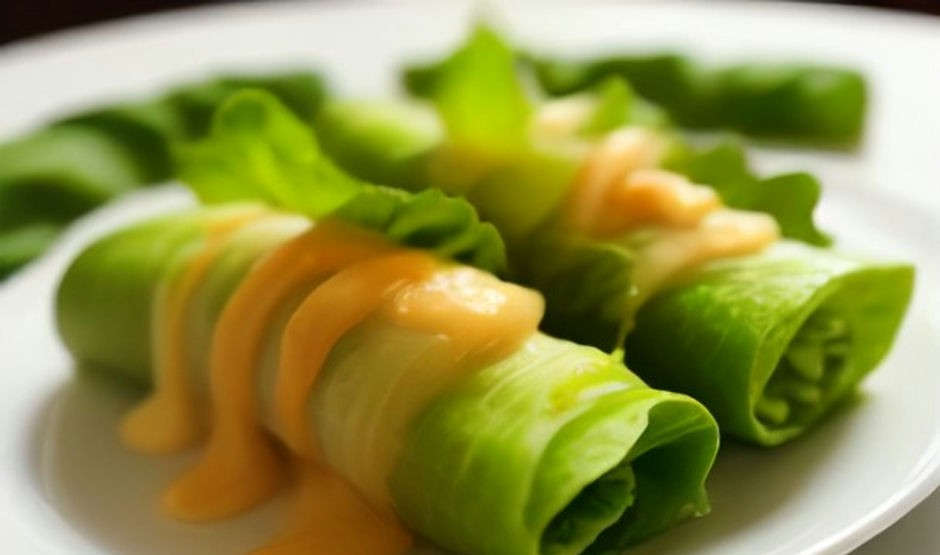
- Turkey and cheese lettuce wraps. Roll sliced turkey and a slice of cheese inside crisp lettuce leaves with a little mustard or mayo. Add cucumber sticks on the side. Roughly 4 grams of carbs and 25 grams of protein.
- Tuna salad in lettuce cups. Mix canned tuna with Greek yogurt, celery and a squeeze of lemon, then spoon it into romaine leaves. The yogurt swaps out the mayonnaise and adds protein.
- Caprese chicken salad. Sliced grilled chicken over mozzarella, cherry tomatoes and basil, finished with olive oil and balsamic. Bright, filling and almost no carbohydrate.
- Cottage cheese bowl. A cup of cottage cheese with cucumber, tomato, cracked pepper and a drizzle of olive oil. Around 25 grams of protein for a couple of minutes of work.
- Antipasto plate. Salami or sliced turkey, mozzarella, olives, roasted peppers, a few cherry tomatoes and a boiled egg. Assemble from the deli counter and eat at your desk.
- Guacamole and veggie plate. Half an avocado mashed with lime, salt and chilli, scooped up with pepper strips, celery and cucumber. Add a boiled egg or two to make it a full lunch.
15-minute skillet lunches
- Shrimp and zucchini noodles. Sear shrimp in butter or olive oil with garlic, then toss through spiralised zucchini for a minute at most. Top with parmesan.
- Steak salad. Seared steak sliced over rocket, spinach, cherry tomatoes and red onion, with a mustard vinaigrette and shaved parmesan.
- Chicken and broccoli stir-fry. Strips of chicken thigh with broccoli, peppers and ginger in a soy and sesame sauce. Skip the rice; double the broccoli.
- Turkey and spinach scramble. Cooked turkey mince with spinach, eggs and a little cheddar, all in one pan. Breakfast food works perfectly at one o’clock.
- Salmon and asparagus. Pan-seared salmon fillet with roasted asparagus and a knob of butter. Twenty minutes start to finish, and almost no carbs.
Meal-prep lunches that hold up all week
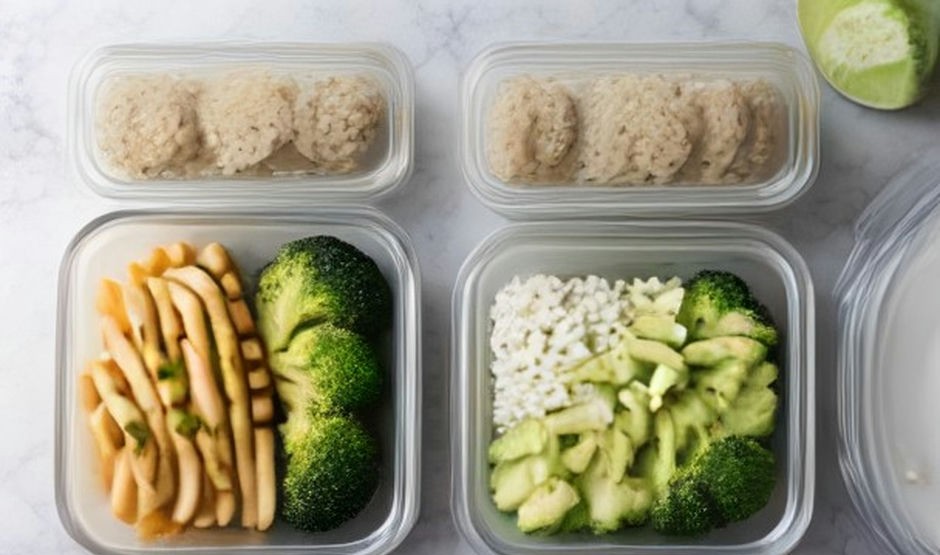
- Chicken, broccoli and avocado boxes. Grill a batch of chicken on Sunday, roast a tray of broccoli, and portion both into containers with sliced avocado added on the day.
- Egg muffin tray. Whisk eggs with spinach, peppers, onion and cheese, bake in a muffin tin, and refrigerate. Two or three muffins plus a handful of nuts is a complete lunch.
- Beef and cabbage skillet. Browned mince with shredded cabbage, onion and paprika. Reheats well and gets better the next day.
- Chicken Caesar salad jars. Layered romaine, grilled chicken, parmesan and a yoghurt-based Caesar dressing. Keep the dressing at the bottom so the leaves stay crisp.
How to Keep a Low Carb Lunch From Leaving You Hungry
Most low-carb lunches that fail, fail for one of three reasons: too little protein, too little fibre, or too little fat. A salad of leaves and a grilled chicken breast is technically low carb, but if the protein is under 20 grams and there is no fat or fibre, you will be hungry well before dinner.
Build the meal in the opposite order to how most people do it. Start with the protein and decide the portion first. Then ask what vegetable is going with it, and make that portion genuinely large – a double handful is more than it sounds. Finally add the fat, because fat slows digestion and carries the flavour that makes vegetables worth eating. If you are still hungry after a lunch built this way, the next lever is protein, not another snack. Our guide to how much protein you actually need works through the numbers, and a plate that keeps you full is the same idea as the one in why you are still hungry after eating.
Low Carb Lunch Mistakes That Spike Blood Sugar
The trap is the food that looks low carb and is not. A wrap made from a “wholegrain” tortilla still carries 30 or more grams of carbohydrate. A shop-bought salad can hide more sugar in the dressing than a dessert. “Low fat” yoghurt is usually sweetened to replace the fat, and a smoothie built on fruit and juice can spike blood sugar as hard as a cola. Read the label on anything that comes in a packet: if the carbohydrate per serving is over about 15 grams, it is not a low-carb lunch.
Watch the drinks, too. A coffee with flavoured syrup, a sweetened iced tea or a glass of juice can add more carbohydrate than the meal itself. Water, sparkling water, black coffee or unsweetened tea are the low-carb defaults, and they are the easiest change to make because they cost you nothing you will miss.
Fit Lunch Into the Rest of Your Day
A good lunch is one part of a steady day. If breakfast is the meal you struggle with, the low carb breakfast ideas use the same protein-forward formula in the morning, and when dinner is what needs work, the low carb dinner ideas carry it into the evening. Keeping the same three-part structure at all three meals is what makes the whole day feel easy rather than restrictive, and it is why people who build lunch this way rarely need to count anything.
When to See a Doctor
Cutting carbohydrate is generally safe for healthy adults, but it is not right for everyone. Talk to your doctor or a registered dietitian before making a significant change if you have diabetes or take medication for blood sugar or blood pressure, if you are pregnant or breastfeeding, if you have kidney or liver disease, or if you have a history of disordered eating. If you feel dizzy, persistently tired or unwell after changing how you eat, stop and seek medical advice rather than pushing through. This article is general information, not personal medical advice.
Sources
- Harvard T.H. Chan School of Public Health – Carbohydrates and Blood Sugar
- Mayo Clinic – Low-carb diet: What you need to know
- Ebbeling CB et al. Effects of a low carbohydrate diet on energy expenditure during weight loss maintenance: randomized trial. BMJ 2018;363:k4583 – PubMed 30429127
- NHS – The Eatwell Guide
- USDA FoodData Central – fdc.nal.usda.gov

