

Workplace well-being plays a central role in professional life today. Motivated and fulfilled employees contribute to a more productive environment, often characterized by a better atmosphere. A few simple yet effective changes can already lead to a noticeable improvement in daily life. Here are five practical tips to transform your work routine into a true source of balance.
Create ergonomic and pleasant workspaces
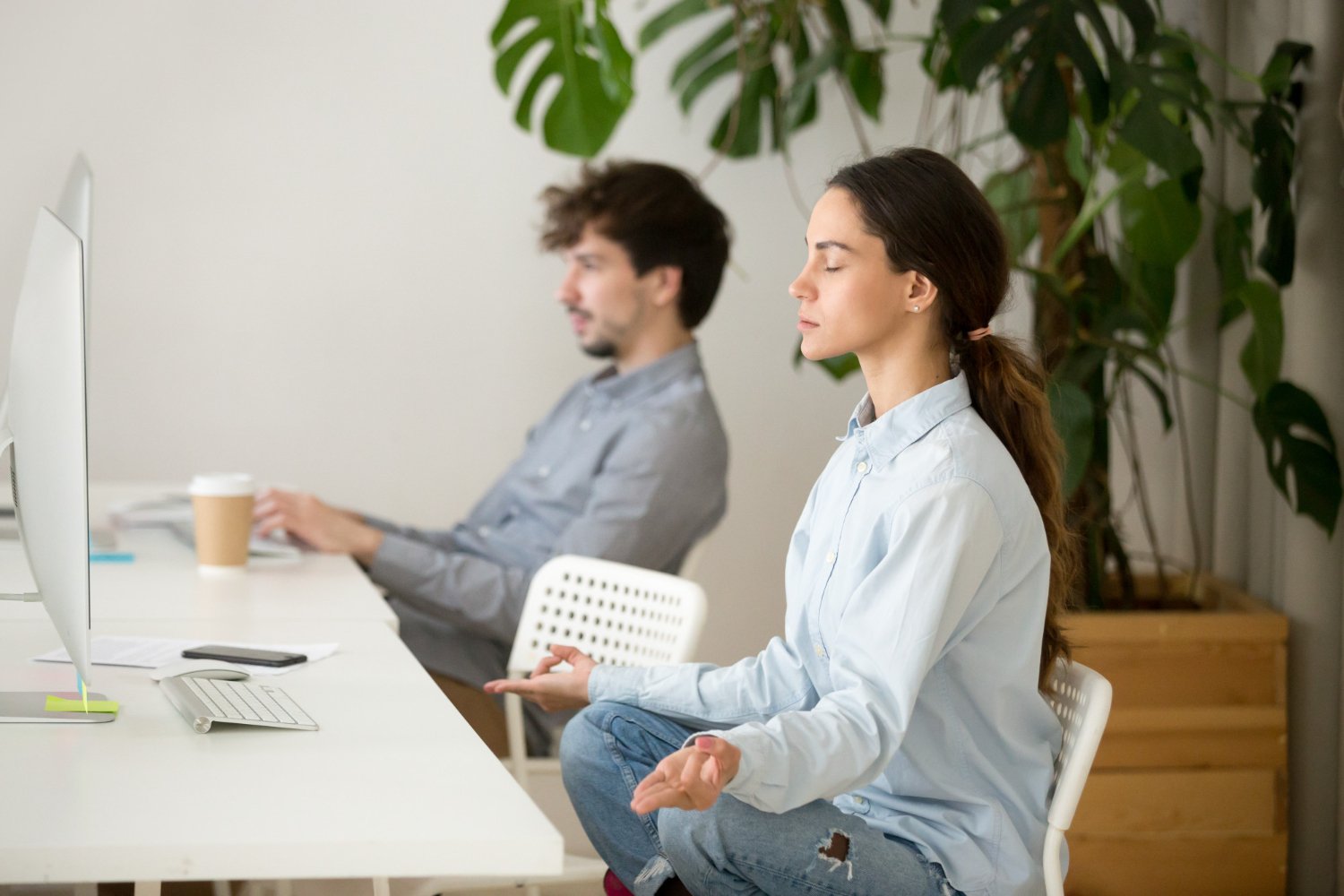
An ergonomic workspace makes all the difference to posture, concentration, and overall mood throughout the day. A well-organized desk with the right equipment helps reduce pain and fosters creativity. Adding a few plants also helps create a pleasant and calming environment while naturally purifying the air.
Lighting also plays a crucial role: prioritizing natural light whenever possible or opting for adjustable lamps offers significant visual comfort. A well-designed environment helps maintain positive energy and facilitates stress management, even on busy days.
How to create a comfortable workstation?
Sometimes all it takes is repositioning the screen at eye level, adjusting the chair, or investing in a wrist rest. Appropriate ergonomic accessories reduce muscle tension and improve concentration, which quickly translates into better work quality. Adding a few plants is another simple trick that creates a more welcoming environment.
Creating relaxation areas near workstations also encourages regular breaks, essential for recharging and preventing ailments related to a sedentary lifestyle. Introducing greenery promotes a friendly atmosphere and overall well-being.
Why does the physical environment influence mood?
Working in a bright, clean, and well-decorated environment has a positive impact on motivation. Plants brighten the atmosphere and provide a significant sense of well-being. A harmonious space reduces feelings of fatigue and fosters positive relationships between colleagues.
Pleasant working conditions reduce the risk of stress and make it easier to maintain a positive attitude towards the professional challenges encountered every day.
Promote flexible working hours and regular breaks
Flexible working hours allow everyone to adapt their pace to their needs and personal constraints. This arrangement promotes a better work-life balance. When employees can manage their own working hours, they feel empowered and confident, which boosts their engagement.
Regular breaks are just as important for preserving physical and mental health. Taking a few minutes every hour to get some fresh air, stand up, and move around promotes concentration and efficiency without causing excessive fatigue.
- Adopt flexible working hours in consultation with your team
- Set reminders to take short breaks
- Take advantage of free time to hydrate or stretch.
Incorporating these habits into the workday significantly improves overall satisfaction and reduces the risks associated with stress or fatigue.
Setting up relaxation areas within the company also encourages employees to take a step back during times of intense pressure, while promoting informal exchanges among colleagues.
Encourage internal communication and recognition
Effective internal communication fosters strong bonds between colleagues, facilitating mutual support and problem-solving. Regularly exchanging ideas and opinions with colleagues fosters a deeper mutual understanding and creates a sincere and motivating work environment.
Recognition and praise for work accomplished strengthen a sense of belonging and boost self-confidence. Feeling supported and valued encourages people to give their best every day.
What benefits can be expected from good communication?
Speaking openly with superiors and peers simplifies the resolution of difficult situations and avoids many misunderstandings. Each employee thus gains autonomy and can express their needs or ambitions more easily.
Organizing informal meetings, participatory workshops, or regular surveys supports this dynamic, which is then permanently established within the teams.
How to establish a culture of recognition?
Extraordinary rewards aren’t necessary to motivate your employees. A simple “well done” or highlighting a collective success leaves a lasting impression. Incorporating these small rituals fosters a positive atmosphere where everyone feels involved in the shared achievement.
Several digital tools simplify the dissemination of feedback and bring all members together around common goals. This creates a virtuous cycle, where everyone wants to actively contribute to collective progress.
Engage in physical activity and enjoy the health benefits
Physical activity greatly contributes to well-being at work. A brisk walk during lunch breaks, a few stretches, or even exercises offered by the company all help reduce mental and physical fatigue. Moving regularly stimulates creativity and relieves tension accumulated throughout the day.
Choosing health benefits such as access to a partner gym or group fitness classes supports this approach. Taking care of oneself then allows one to gain energy and approach each task with enthusiasm and determination.
- Sign up for a weekly yoga break
- Take a few steps outside whenever the opportunity arises.
- Organize with colleagues to walk together after lunch
Promoting physical activity within the team strengthens relationships and helps reduce sedentary lifestyle-related illnesses such as back pain or chronic fatigue.
Companies sometimes offer relaxation areas equipped to encourage these kinds of healthy routines, a sign of an active commitment to the quality of working conditions .

