

Introduction: Understanding the Threat of Winter Storms
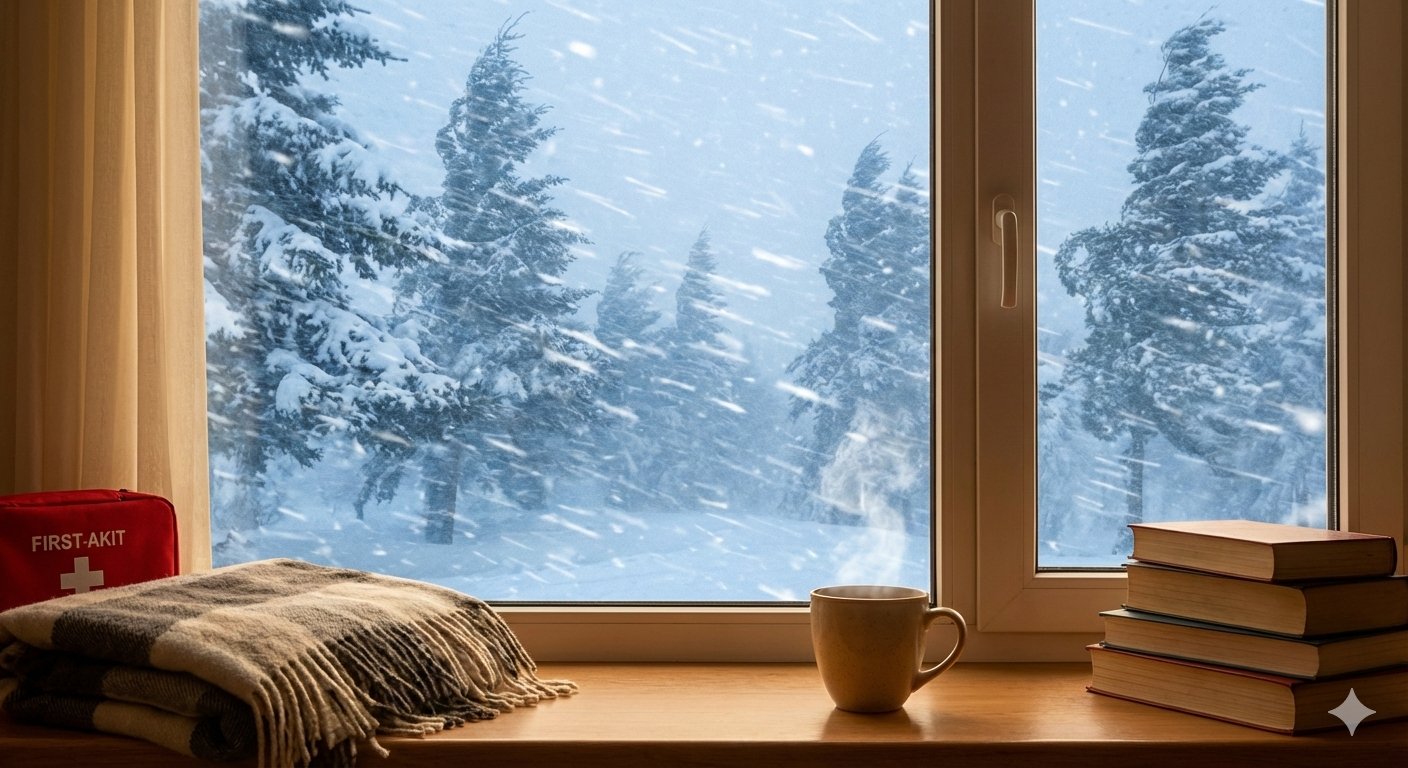
Winter storms are significant weather events characterized by a combination of snowfall, strong winds, and freezing temperatures. They typically occur during the colder months and can manifest in various forms, including blizzards, ice storms, and severe snowfall. As the climate continues to change, the frequency and intensity of these winter storms are becoming increasingly unpredictable, posing serious risks to public health and safety.
During a winter storm, conditions can deteriorate rapidly, leading to dangerous situations for those who are unprepared. Heavy snowfall can obstruct roadways, causing transportation disruptions and making it difficult for emergency services to reach those in need. Furthermore, the combination of cold temperatures and wind can result in hazardous conditions, including frostbite and hypothermia for individuals exposed to the elements.
Understanding the health impacts associated with winter storms is crucial for effective preparedness and response. With weather alerts often issued in advance of severe winter weather, being aware of the potential threats can help individuals and communities take the necessary precautions to mitigate risks. For instance, individuals should keep their homes stocked with essential supplies and be prepared to stay indoors during severe weather to avoid harmful exposure.
Moreover, it is not just the immediate physical dangers such as slips and falls due to snow accumulation that must be considered; winter storms can also lead to increased rates of respiratory illnesses and exacerbate existing health issues due to cold air and indoor congestion from heating systems. As we explore the various dimensions of winter storms, it is vital to acknowledge both their immediate and long-term health impacts and the importance of staying safe and healthy through this challenging season.
Physical Health Risks During Winter Storms
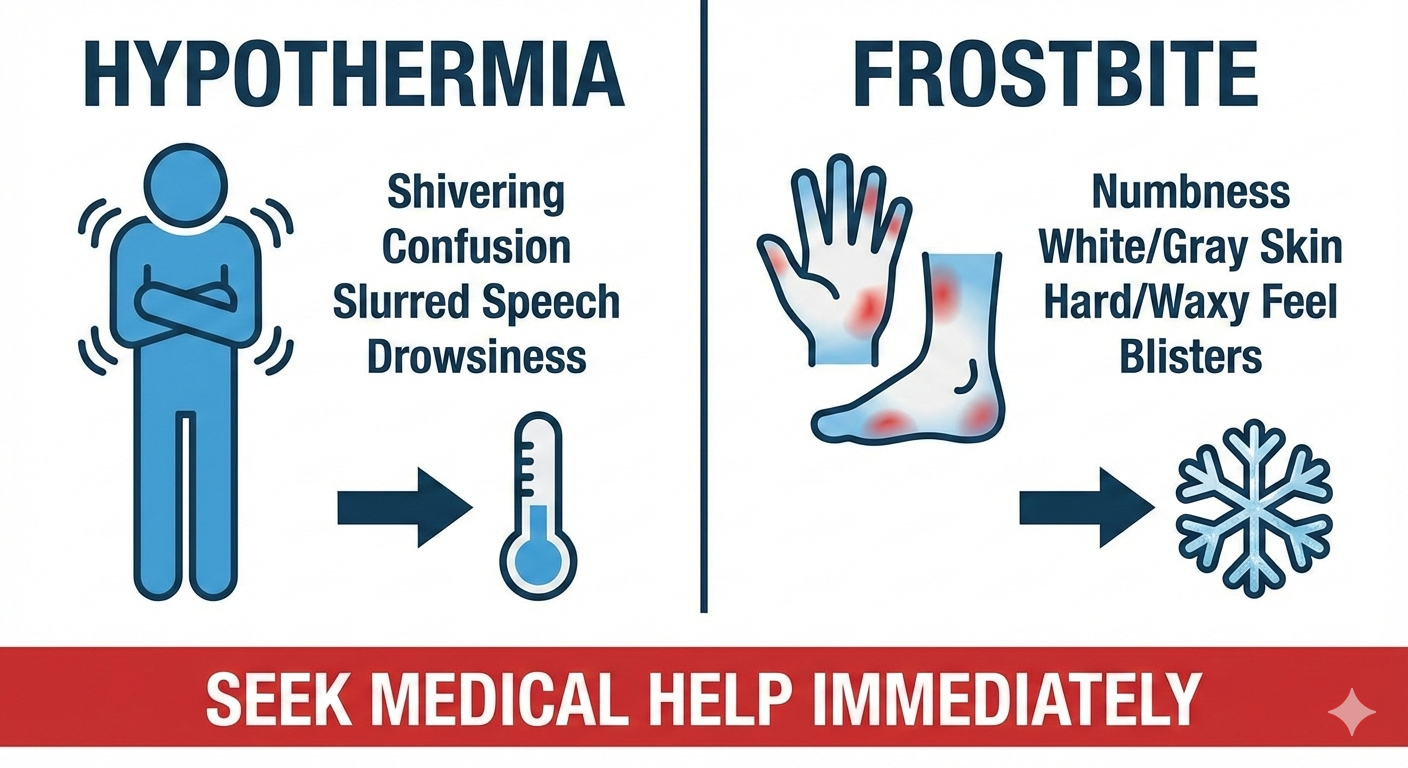
Winter storms present a range of physical health risks that can significantly impact individuals and the community at large. One of the most immediate concerns is the exposure to extreme cold temperatures. Prolonged exposure can lead to hypothermia and frostbite, conditions that can be life threatening if not addressed promptly. It is essential during winter weather alerts that individuals dress appropriately in layers, ensuring proper insulation against the biting cold.
Another prevalent hazard during winter storms is the risk of slips and falls due to icy conditions. The accumulation of snow and ice can create treacherous surfaces on walkways and roads. Falls can lead to serious injuries such as fractures and sprains, particularly among the elderly or those with pre existing conditions that affect their balance. It is vital for individuals to take precautions while navigating through snowy environments, including the use of appropriate footwear and maintaining a steady pace to avoid accidents.
Furthermore, the act of shoveling snow is frequently underestimated in its potential for injury. This physically demanding task can lead to strain or injuries, particularly to the back and cardiovascular system. Those with underlying health issues should exercise caution or even consider hiring assistance for snow removal tasks. Lastly, winter storms can exacerbate existing health conditions such as asthma or cardiovascular diseases, making it critical for individuals to remain vigilant and prepared during adverse weather conditions. This awareness can be instrumental in safeguarding one’s health during the winter months.
Mental Health Implications of Extended Winter Weather
Winter storms bring about a myriad of challenges that extend beyond physical safety and the disruptions caused by heavy snowfall. Prolonged exposure to harsh winter weather can significantly impact mental health, with consequences that are often overlooked. One primary concern is Seasonal Affective Disorder (SAD), a type of depression that occurs at specific times of the year, most commonly in the winter months. Individuals affected by SAD may experience feelings of hopelessness, fatigue, and diminished interest in daily activities, largely due to the reduced exposure to sunlight during the winter.
In addition to SAD, extended winter weather can increase anxiety levels among individuals. The isolation that can accompany severe winter storms often leads to a sense of loneliness, particularly for those who live alone or are unable to venture outside safely. The unpredictability of winter storms can further exacerbate feelings of anxiety, as individuals may feel unprepared for sudden weather alerts or the possibility of heavy snowfall disrupting daily routines.
To mitigate these mental health challenges, it is important to adopt proactive strategies for maintaining mental wellness during winter. Staying connected with friends and family, even virtually, can help combat feelings of isolation. Engaging in physical activity indoors, such as yoga or home workouts, can boost mood and alleviate stress. Additionally, incorporating light therapy into daily routines may prove beneficial for those struggling with SAD, as artificial bright light can mimic sunlight and help regulate mood. Cultivating mindfulness through meditation or deep-breathing exercises can also enhance emotional resilience during this often challenging season.
By recognizing the mental health implications of winter storms and taking active steps to promote wellbeing, individuals can navigate the season more effectively, thereby fostering a healthier mindset amidst adverse weather conditions.
Vulnerable Populations: Who is Most Affected?
During winter storms, certain groups face a heightened risk of health complications and adverse outcomes due to various mitigating factors. Among these populations, the elderly are particularly vulnerable. As individuals age, their physiological resilience diminishes, making them more susceptible to cold related ailments such as hypothermia and frostbite. Additionally, many elderly individuals may already have preexisting health conditions, such as heart disease or respiratory issues, which can be exacerbated by harsh winter weather and increased snowfall.
Individuals with preexisting health conditions are not limited to the elderly. Those with chronic illnesses such as diabetes, asthma, or autoimmune disorders, may experience serious complications during severe winter storms. For instance, the cold air can trigger asthma attacks, while prolonged exposure to winter weather can disrupt medication schedules or access to healthcare services, leading to deteriorating health for these individuals.
Low income communities also represent a group particularly at risk during winter storms. Financial constraints often limit access to resources necessary for staying warm and safe, such as adequate heating or winter clothing. Social determinants of health impact these populations deeply; they may live in areas prone to severe weather with poor infrastructure, which can exacerbate isolation during snowstorms. The lack of transportation options makes it harder for them to seek refuge or medical assistance when conditions worsen.
Recognizing these vulnerable populations is crucial for implementing effective weather alerts and community support measures. Tailored outreach efforts during winter storms can help ensure that those at highest risk receive early warnings, access to emergency services, and necessary resources for maintaining their health and safety. Addressing the unique challenges faced by these demographics is essential to mitigating the adverse effects of winter storms.
Preventive Measures to Protect Health During Winter Storms
The onset of winter storms can significantly impact health and wellbeing. As such, it is crucial to adopt preventive measures to ensure safety during adverse weather conditions. Firstly, heating safety should be a priority. Before a winter storm strikes, inspect heating systems, ensuring they are in good working order. Utilize space heaters cautiously, ensuring they are placed away from flammable materials and that they have an automatic shut-off feature. Investing in carbon monoxide detectors is also advisable, particularly for those using alternative heating sources.
Another key aspect during winter storms is appropriate clothing. Dressing in layers is essential to retain body heat, particularly when venturing outdoors. Thermal undergarments, waterproof outerwear, insulated gloves, and warm hats can provide significant protection against the harsh cold. Moreover, when planning outdoor activities, stay informed about weather alerts and the potential severity of an incoming storm.
Maintaining a healthy diet is equally important during winter weather events. Proper nutrition strengthens the immune system, which can be particularly vulnerable during cold months. Incorporate nutrient rich foods, such as fruits, vegetables, and lean proteins, into meals, and stay hydrated despite the cold. During severe winter storms, access to fresh food may be limited; therefore, it is advisable to stockpile non-perishable items well in advance.
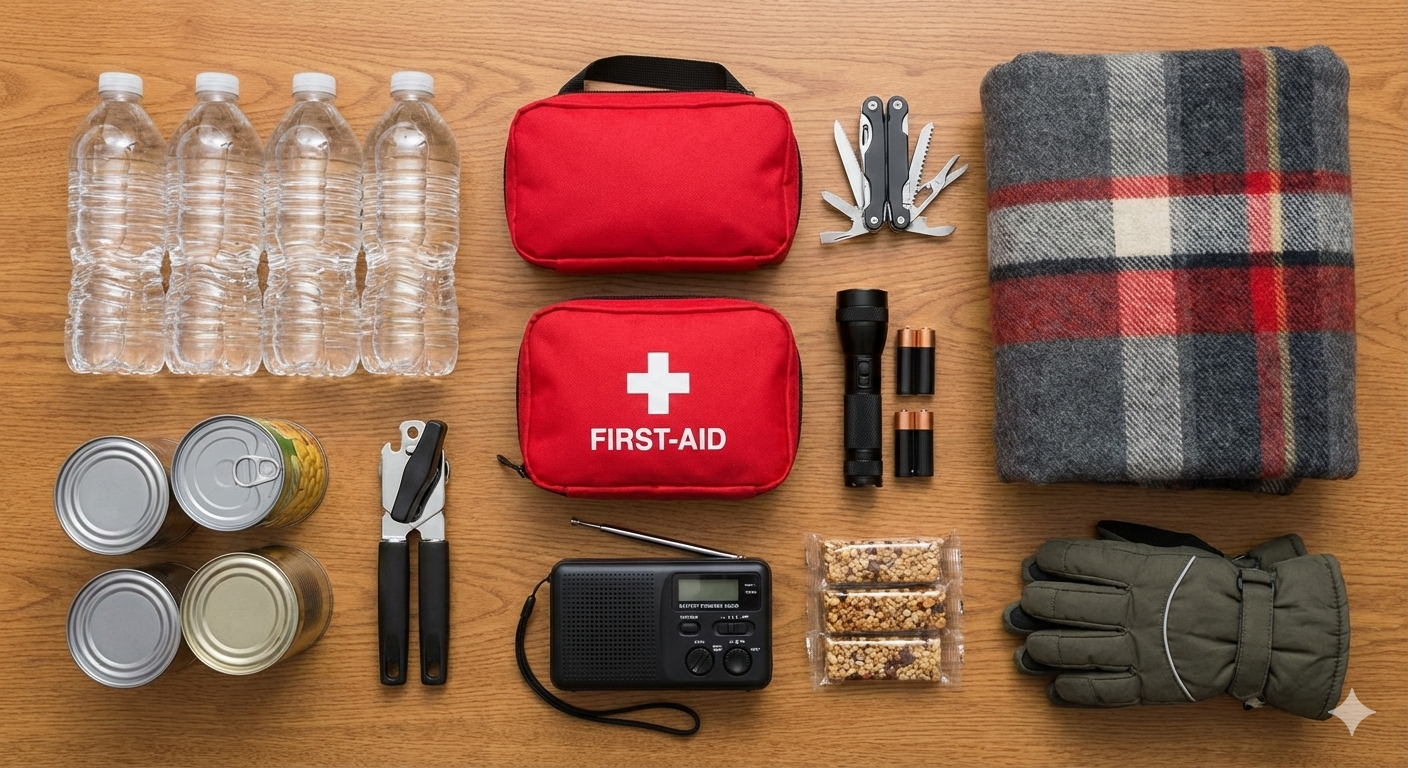
Finally, preparing an emergency supply kit is vital. This kit should include essentials such as
- bottled water,
- non-perishable food,
- flashlights,
- batteries,
- a first-aid kit,
- and medications Being equipped with these supplies can significantly reduce the risk of health issues caused by winter storms. By following these preventive measures, individuals can better protect their health and safety amidst the challenges presented by winter weather conditions.
Staying Active and Healthy During Winter Months

The arrival of winter often brings about chilling temperatures and inclement weather, including snow and winter storms, which can significantly hinder outdoor physical activities. However, it is crucial to maintain an active lifestyle even during harsh weather conditions to combat the potential negative impacts on physical and mental health. Staying active not only promotes physical fitness but also enhances mood and energy levels, especially during the darker winter months.
Indoor exercises can serve as an effective solution when prevailing conditions do not permit outside activities. Engaging in home workouts can keep the body active without the need for extensive equipment or space. Simple actions such as yoga, pilates, or bodyweight exercises (like squats and push-ups) can significantly contribute to maintaining fitness levels. Many online platforms now offer guided workout sessions specifically designed for winter enthusiasts aiming to stay healthy indoors.
Additionally, incorporating dance or aerobic routines can provide both an effective workout and a fun way to lift spirits during the winter snowstorms. Creating a structured schedule for these indoor exercises can help establish a routine, encouraging consistent activity levels throughout the winter months.
Moreover, balancing physical fitness with mental wellness during winter is essential. Incorporating activities such as reading, crafting, or even cooking warm, nutritious meals can keep individuals engaged and mentally stimulated. These indoor engagements can help mitigate feelings of isolation that often accompany severe winter weather.
Ultimately, it is vital to break the cycle of sedentary behavior that might be tempting due to stormy weather. Keeping active, whether through structured exercise or engaging hobbies, can play a decisive role in maintaining health and happiness amidst the challenges of winter storms.
Nutrition Tips for Boosting Health During Winter Storms
As winter storms can significantly impact health, especially during prolonged periods of cold weather, it is essential to prioritize nutrition to support immune function. A well balanced diet rich in vitamins and nutrients is crucial for maintaining health as one navigates the challenges presented by winter weather. Nutrient dense foods not only provide necessary energy but also enhance the body’s ability to ward off illness during the frigid months.
First and foremost, incorporating a variety of fruits and vegetables into daily meals will aid in boosting overall health. Citrus fruits such as oranges, lemons, and grapefruits are particularly beneficial, as they are high in vitamin C, a vital nutrient known for its immune boosting properties. Dark leafy greens, like spinach and kale, are also excellent sources of vitamins A, C, and K, which contribute to robust health during winter.
In addition to fruits and vegetables, it is essential to include whole grains, lean proteins, and healthy fats in one’s diet. Foods like oats, quinoa, and brown rice provide necessary carbohydrates for energy during cold weather. Lean proteins like chicken, turkey, and legumes are critical for muscle maintenance and for supporting the immune system. Healthy fats, found in nuts and avocados, are indispensable for overall health and enhance nutrient absorption.
During a winter storm, food preservation becomes a priority, especially if power outages occur. It is advisable to stock up on non-perishable foods such as canned vegetables, beans, and soups. These items can not only provide nutrition but also be comforting during adverse weather conditions. Moreover, keeping a stock of frozen fruits and vegetables ensures access to essential nutrients, even when fresh produce may not be available.
By focusing on these dietary recommendations, individuals can strengthen their immune system and maintain health, even amidst winter storms and challenging weather conditions. Adequate preparation, combined with a nutritious diet, can help mitigate the impact of winter storms on well-being.
Community Support and Resources
The impact of winter storms is often more than just the physical disruption caused by severe weather; it can strain community health and safety systems as well. Therefore, it is crucial that localities are equipped with robust support systems to help mitigate these risks and assist residents during harsh winter conditions. During a winter storm, community resources can play an essential role in ensuring individuals maintain their health and safety, particularly among vulnerable populations.
Local shelters become pivotal during severe winter weather events. They provide not only warmth but also a sense of security for those who may face homelessness or insufficient heating in their homes. These shelters are often operated by community organizations or local governments and serve as a refuge, particularly in the face of dangerously low temperatures and heavy snowfall. Residents are encouraged to know their nearest shelter locations and reach out for help when necessary.
Furthermore, community health services play a vital role during winter storms. Many local health departments offer resources that ensure access to essential healthcare even in adverse weather conditions. These services can include transportation assistance for individuals who need to attend medical appointments and outreach programs that monitor the health of at risk populations during extreme weather events. Staying informed about available community health resources is essential for the winter months.
In addition, hotlines are established that serve as a lifeline for individuals seeking assistance. These hotlines provide critical information regarding weather alerts, available resources, and guidance for managing health related issues exacerbated by winter conditions. Keeping a list of important contacts handy can ensure residents do not feel isolated or overwhelmed in the face of a winter storm. Community support systems are invaluable; by utilizing these resources, individuals can significantly improve their safety and health during winter storms.
Conclusion: Preparing for the Next Winter Storm
As we conclude our exploration of the effects of winter storms on health, it is essential to emphasize the importance of preparedness. With winter weather becoming increasingly unpredictable, understanding the potential risks associated with winter storms is crucial for protecting your health and well-being. From severe snowfall that can disrupt daily activities to icy roads that increase the likelihood of accidents, individuals must remain vigilant and informed.
Staying safe during winter storms begins with being proactive. This includes monitoring weather alerts that signal impending storms, preparing an emergency kit equipped with essentials like food, water, medications, and first aid supplies, and ensuring that your home is winter-ready. Proper insulation, heating systems, and clear pathways can significantly mitigate the risks associated with prolonged exposure to harsh winter conditions.
Moreover, public health advisories often highlight the health challenges posed by extreme cold and heavy snowfall, such as hypothermia and frostbite. Awareness of these conditions and recognizing their symptoms can lead to prompt treatment, enhancing one’s ability to cope with winter’s harsh realities. Also, maintaining good nutrition and hydration during the winter months supports immunity and overall health.
In essence, preparedness not only helps you navigate the challenges posed by winter storms but also empowers you with the knowledge to respond effectively. As we venture into the winter months, equip yourself with the right tools and information to ensure safety for yourself and your loved ones. The more prepared we are, the better we can manage the impacts of winter storms on our health and lives. Remember, it is not just about surviving the storm; it is about thriving despite it.

