

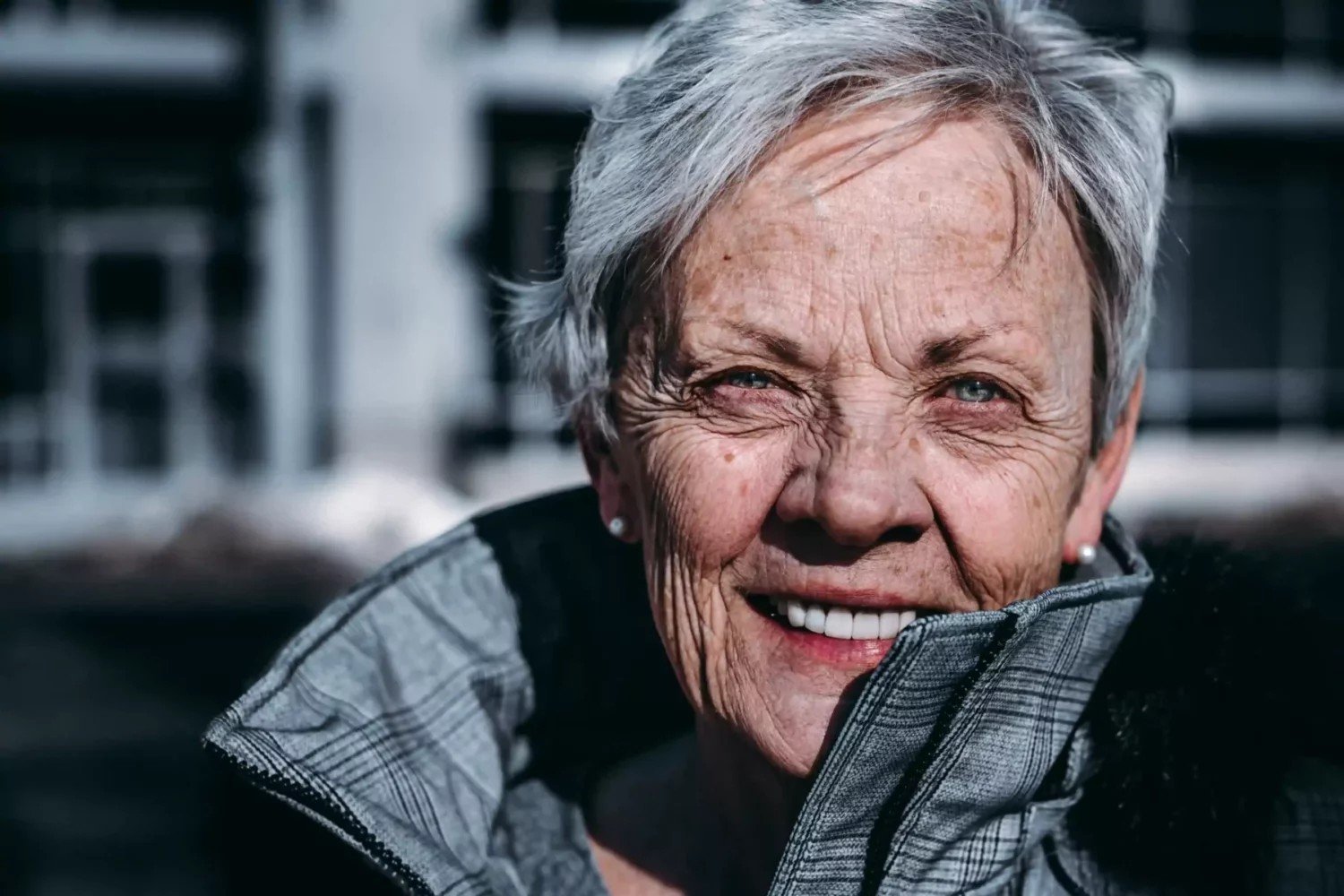
Skin aging is a natural phenomenon that affects everyone at some point in their lives. It manifests as wrinkles, age spots, and a loss of skin firmness and elasticity. While skin aging is inevitable, several factors can accelerate its onset, and several treatments can mitigate its effects.
What are the causes of skin aging?
The main causes of skin aging are time, sun exposure, and cellular damage. Time, meaning the passage of years, is the most obvious cause of skin aging. The older we get, the more our skin loses its elasticity and firmness. Sun exposure is also an aggravating factor in skin aging. Indeed, the sun’s UV rays can damage the skin’s collagen and elastin fibers, which can lead to the appearance of wrinkles and age spots. Finally, cellular damage can also contribute to skin aging. Skin cells are constantly renewing themselves, but over time, their ability to regenerate decreases, which can lead to a loss of firmness and elasticity in the skin.
What are the effective treatments against skin aging?
Several treatments can mitigate the effects of skin aging. Here are a few examples:
Anti-wrinkle creams:
Many anti-wrinkle creams are available on the market. It’s difficult to say for sure whether anti-wrinkle creams are truly effective against skin aging. Some creams contain ingredients that can help smooth wrinkles and firm the skin, but their effectiveness varies from person to person and depends on many factors, such as age, skin type, skin condition, and how the cream is used. These ingredients include vitamin C, hyaluronic acid, and peptides.
Botulinum toxin injections:
Botulinum toxin, also known as Botox, is a substance that works by blocking the nerve signals that cause muscle contractions. In cosmetic medicine, it is primarily used to smooth forehead wrinkles and frown lines.
Laser treatments:
Several types of lasers can be used to combat skin aging. Ablative lasers, such as the CO2 laser, are used to remove the top layers of skin and help smooth wrinkles. Non-ablative lasers, such as the fractional laser, are used to stimulate collagen production and help firm the skin.
Cosmetic surgery:
Several types of cosmetic surgery can be used to treat skin aging. A facelift, for example, involves removing excess skin and redraping the tissues to give the skin a more youthful appearance. Blepharoplasty, on the other hand, involves removing excess skin and fat from the eyelids to give the eyes a more rested look.
Peels:
Peels are treatments that remove the superficial layers of skin to reveal a younger, brighter complexion. There are several types of peels, ranging from gentle chemical peels to more aggressive laser peels.
It is important to note that not all of these treatments are suitable for everyone and it is recommended to consult a doctor or qualified healthcare professional before embarking on any of them.
In conclusion, skin aging is an inevitable phenomenon that affects everyone at some point in their lives. It manifests as the appearance of wrinkles, age spots, and a loss of firmness and elasticity. While skin aging is unavoidable, several factors can accelerate its onset, such as time, sun exposure, and cellular damage. Several treatments can mitigate the effects of skin aging, such as anti-wrinkle creams, botulinum toxin injections, laser treatments, cosmetic surgery, and chemical peels. However, it is important to note that these treatments are not suitable for everyone, and it is recommended to consult a doctor or qualified healthcare professional before undergoing any of them.

