

From Caffeine Dependence to Real Vitality: A 30-Day Journey
This is not a medical advice or consultation . always seek medical assistance and advise from certified medical professionals. 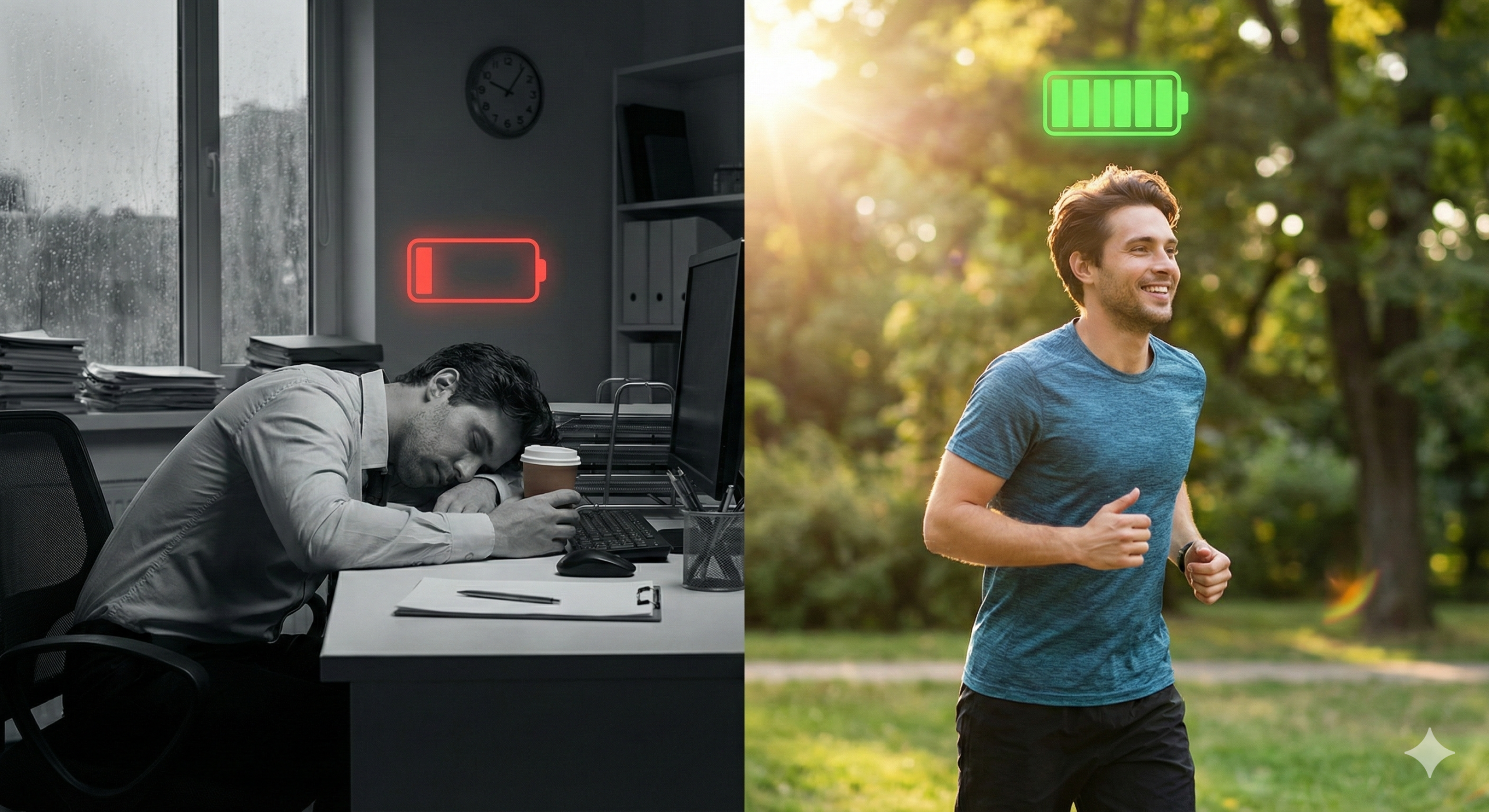 .
Many people believe that their morning cup of coffee provides them with a much needed boost of energy, but the reality is that; coffee doesn’t actually give you energy. Instead, the caffeine in coffee performs a chemical trick in your brain by mimicking a molecule called “adenosine”.
The Adenosine Illusion
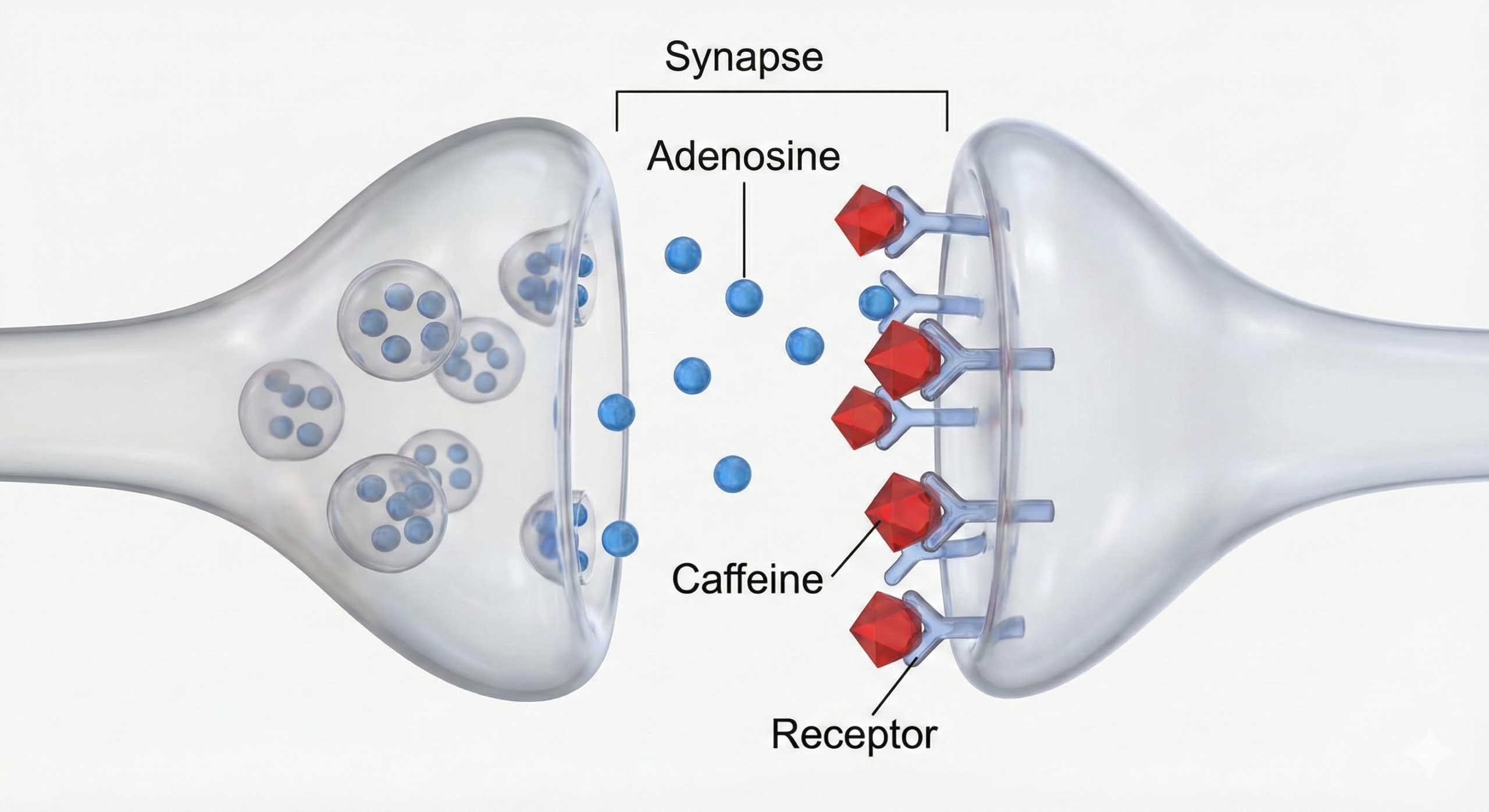
Throughout the day, your body produces adenosine as a byproduct of ATP, which is the “energy currency” of the body. As adenosine builds up, it signals your brain that it is time to wind down and sleep, because caffeine has a similar structure. It fits into the adenosine receptors, (blocking the signals for sleep) without providing any actual stimulation or energy. Over time, your body builds a tolerance, requiring more caffeine to achieve the same effect, which can eventually lead to “adrenal burnout”.
Your 30-Day Detox Timeline
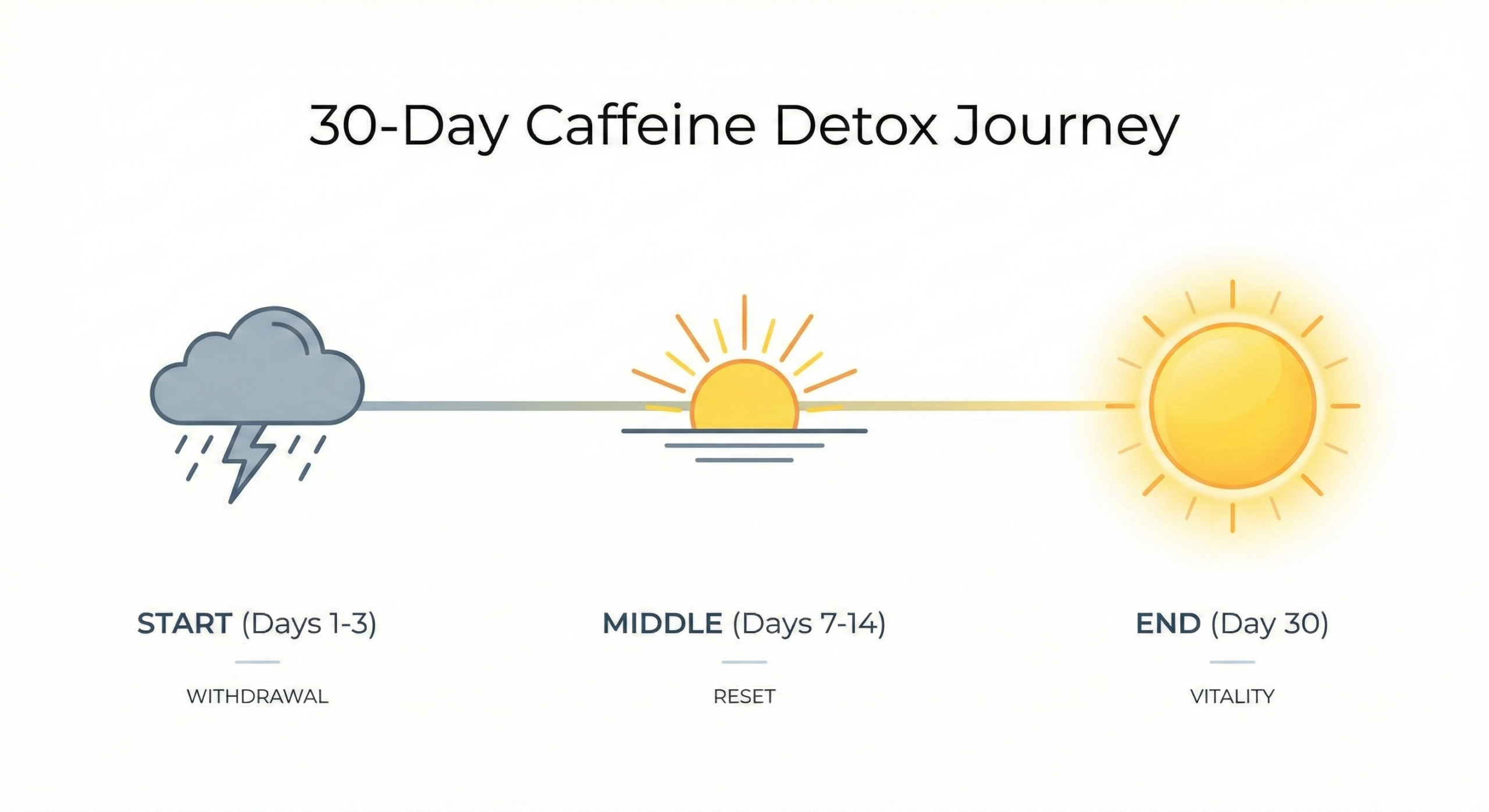
If you decide to quit coffee for 30 days, your body undergoes a significant transformation as it recalibrates its natural chemistry:
Days 1–2: Within 16 hours of quitting, you may experience “headaches” due to a decrease in dopamine stimulation.
Days 3–5: You might feel irritable and experience “cravings for sugar or fatty foods” as your dopamine receptors begin to adapt.
Days 6–7: Sleep quality begins to improve. Without caffeine inhibiting your “REM sleep”, and with lower cortisol levels, you will start to feel more rested.
Days 8–10: Your mood stabilizes. As your receptors become more sensitive, the “emotional roller coaster” of caffeine crashes begins to even out.
Days 11–14: “Cognitive function improves.” While many believe coffee helps focus, long-term consumption can actually decrease cognitive function; by mid month, your natural memory and concentration begin to return.
Days 15–21: Dopamine sensitivity returns to near-normal levels, and the physical “addiction is largely gone”.
Days 22–30: You will notice a significant increase in “real energy”. This isn’t the artificial “alertness” of caffeine, but energy generated from high quality, restorative sleep.
Strategies for Success
Quitting cold turkey can be difficult, so a “gradual transition” is often more effective. Consider these steps to make the process smoother:
1, Switch to Green Tea: It contains less caffeine and offers various health benefits.
2. Move to Herbal Teas: Transition to naturally decaffeinated options like “lemon balm tea” to satisfy the habit of drinking something warm in the morning.
3. Support Your Body with Nutrients: Focus on “electrolytes” like potassium and magnesium, or sea salt in water.
4. Boost with Vitamin B1: Vitamin B1 is the “spark plug” for energy production in the body.
5. Use Adaptogens: Herbs like “ashwagandha” can help your body adapt to the stress of coming off caffeine.
Interestingly, in nature, caffeine acts as a “chemical pesticide*”that paralyzes insects. In humans, it triggers a stress response known as a hormetic effect. By stepping away from this artificial stimulant, you allow your body to tap into genuine sources of vitality, such as sunlight, movement, and proper nutrition.

