

Are you familiar with Ashtanga Vinyasa, the yoga school based on harmonizing movement and breath? It distinguishes itself through a dynamic approach to the discipline. Gone are the static postures; here, the focus is on developing both body and mind through a series of dynamic and rhythmic poses. Let’s take a closer look.
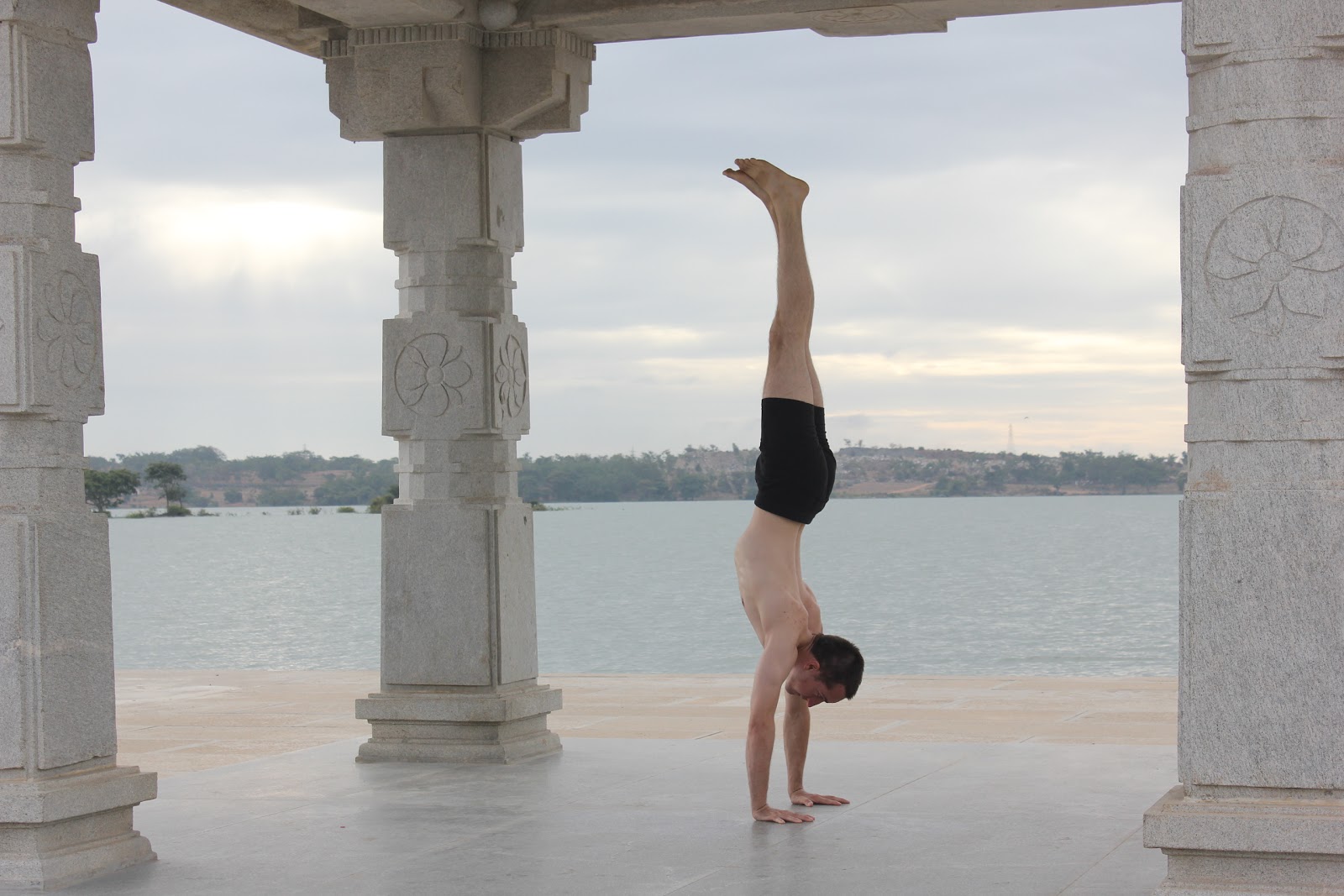
A brief history of Ashtanga Vinyasa Yoga
Ashtanga Vinyasa Yoga originated under the guidance of Sri Krishna Pattabhi Jois, a yogi who developed his art in the 1930s in Mysore, India. And his school still exists, administered by his followers.
The principle is simple: through learning the discipline, the student progresses through Ashtanga, the eight limbs of Yoga. Strengthening the body is necessary first, to allow the mind to fully concentrate and reach the “state of unity,” the eighth limb. It should be noted that many yoga schools are based on this philosophy. It stems directly from the Indian philosophical text, the Yoga Sutras, written around the 2nd century and which remains a key reference in the field today.
Ashtanga vinyasa yoga: technical but easy
In practice, the teaching is based on six series, classified according to their level of difficulty. A series consists of about fifty postures and lasts approximately an hour and a half. The entire practice is paced by ujjai , or victorious breathing. Each movement performed during the exercise must be in harmony with the breath; it is the breath that sets the rhythm. Note that vinyasa means “synchronization of movement with breath.”
The acrobatic nature of some poses might give the impression that Ashtanga yoga is only for elite athletes. However, anyone can practice it, regardless of their fitness level. Beginner sequences don’t require the flexibility of a ballerina, and you’ll progress quickly with practice. Also, keep in mind that classes are generally open to all levels.
With each student working at their own pace, the teacher moves within the group, providing personalized advice to each individual. Learning thus takes place without pressure and according to each student’s abilities.
Ashtanga vinyasa yoga: dynamic but effective
Ashtanga yoga is so renowned worldwide today because of the benefits its practice provides to the body. Beyond the obvious gains in flexibility and muscle tone, Ashtanga primarily allows you to cultivate inner peace. The breathing exercises, or pranayama, require a high level of concentration.
Thus, after a certain period of practice, one arrives at a state of fullness where only the rhythm of our whole body comes into play… The serenity that results from this state of meditation is an excellent remedy against the stress and tensions of daily life, and this is not the only benefit of this wellness technique.
As you’ve probably gathered, Ashtanga yoga is a demanding discipline, but comprehensive and enriching on all levels. To embark on this adventure, simply find a school near you and begin your inner journey.

