

Have you injured your finger and are wondering if it’s broken? A finger fracture is not only painful, but it can also lead to complications if not treated properly. In this article, we’ll guide you through the symptoms to look for, the steps to take to assess the severity of the injury, and the possible treatments. We’ll base our information on what medical experts provide, but we’ll present it in a clear and accessible way so you can make informed decisions.
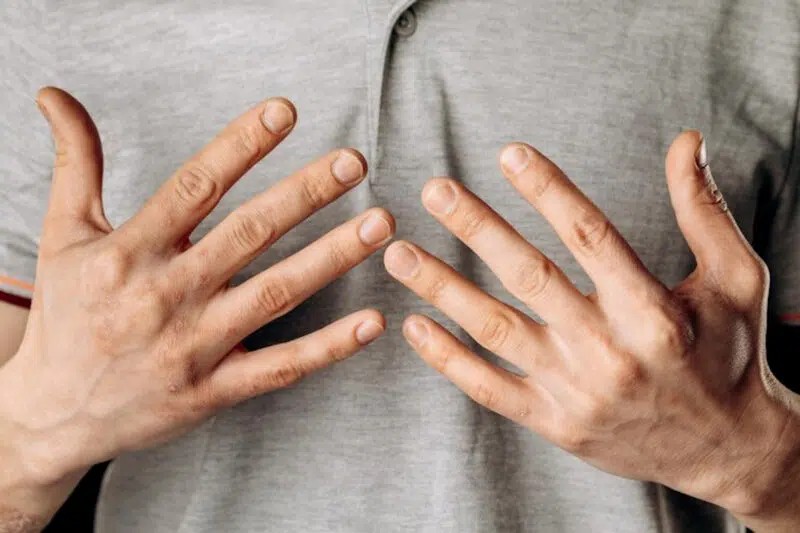
Symptoms and assessment of a finger fracture
Recognizing the symptoms of a finger fracture is crucial to deciding whether to see a doctor. Fractures can occur as a result of a fall, a direct blow, or even accidental crushing. To assess whether your finger is broken, you need to know the typical signs.
Common symptoms
When you press on your injured finger, do you feel intense pain? Sharp pain is often the first indicator of a fracture. Other symptoms include:
- Visible swelling around the injured area.
- Bruises appeared shortly after the incident.
- Increased sensitivity, making finger movement difficult.
- A visible deformity, where the finger appears abnormally twisted or bent.
- A loss of movement or noticeable stiffness.
These signs do not always confirm a fracture, but they are important indicators that should alert you.
Techniques for assessing a fracture
To properly assess the severity of the injury, there are a few simple steps. Gently press on different parts of your finger and note where the pain is most intense. If the pain is located around the joints, this could be a sign of a fracture.
Another way to check is to compare the injured finger with your other hand. If it’s deformed, you likely have a fracture. Finally, try moving the finger. A complete inability to bend or straighten it is a warning sign.
To obtain an accurate diagnosis, it is essential to consult a doctor. Healthcare professionals can use X-rays to confirm the fracture and determine the severity of the injury.
Treatments and care for a finger fracture
After identifying a fracture, appropriate treatment must be administered promptly to prevent complications. The choice of treatment will depend on the severity of the fracture and its exact location.
First aid
As soon as you suspect a fracture, follow these steps to minimize pain and swelling:
- Immobilize the finger: Use a splint or a rigid object (like an ice cream stick) to keep the finger immobile.
- Apply ice : Wrap an ice pack in a cloth and apply it to the affected area for 20 minutes every hour.
- Elevate the finger : Keep the finger elevated to reduce swelling.
These measures do not replace medical intervention but help manage pain until you can consult a professional.
Medical treatment
Medical treatment will depend on the type and severity of the fracture. Here are some common options:
- Splints and Bandages : For minor fractures, a splint or bandage may be sufficient to immobilize the finger while it heals.
- Closed Reduction : If the bones are not properly aligned, a healthcare professional can perform a closed reduction to put the bones back in place without surgery.
- Surgery : For complex fractures or if bone fragments are displaced, surgical intervention may be necessary.
Medical follow-up is crucial. Follow the doctor’s instructions and attend all follow-up appointments to ensure a full recovery.
Prevention and post-treatment advice
Although finger fractures are often unpredictable, a few measures can reduce their occurrence and facilitate recovery after an injury.
Fracture prevention
To minimize the risk of fractures , adopt a few good practices. Wear protective equipment during high-risk activities such as sports. Also, be sure to maintain good hand and nail hygiene to avoid infections that could complicate a fracture.
Post-treatment care
After treatment, it is crucial to follow your doctor ‘s advice for optimal recovery:
- Rehabilitation Exercises : Your doctor or a physiotherapist may prescribe exercises to strengthen the muscles around the fracture and restore mobility.
- Avoid Strenuous Activities : Do not use the injured finger until you have received approval from your doctor.
- Watch for Signs of Infection : If you notice any redness, swelling, or abnormal heat around the wound, seek medical help immediately.
These precautions will not only help to avoid further fractures, but also ensure a recovery without complications.
It is crucial not to underestimate the seriousness of a finger fracture . By carefully monitoring symptoms and following the appropriate steps to assess the injury, you can make informed decisions about the treatment plan. Consulting a doctor at the first sign of trouble will help prevent future complications and ensure a full recovery.
Take care of your fingers and pay attention to any warning signs. By following these tips, you can effectively manage a fracture and resume your daily activities with peace of mind.
For any further questions, feel free to consult reliable resources such as wikiHow or MedicineNet . These platforms provide detailed information that can enhance your understanding of finger fractures .

